






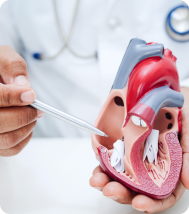



Coronary Angioplasty Treatment in Singapore

Dr Eric Hong
Senior Consultant Cardiologist & Internal Medicine Physician
MB BCh (Ireland), MRCP (United Kingdom), FAMS (Cardiology), DIP (CBNC, USA), FSCAI (SCAI, USA), FACC (ACC, USA), FESC (European Society of Cardiology, France), FRCP (Edinburgh, United Kingdom)
MB BCh (Ireland), MRCP (United Kingdom), FAMS (Cardiology), DIP (CBNC, USA), FSCAI (SCAI, USA), FACC (ACC, USA), FESC (European Society of Cardiology, France), FRCP (Edinburgh, United Kingdom)
Overview
Coronary angioplasty is a minimally invasive procedure used to widen narrowed or blocked coronary
arteries. It may involve balloon dilation and stent placement to restore blood flow to the heart muscle.
In Singapore, suitability for angioplasty is assessed based on symptoms, test results, blockage severity and overall health.
Restoring Proper Blood Flow to the Heart with Angioplasty
The heart is a crucial organ that keeps us alive by beating 100,000 times a day and pumping up to
five litres of blood throughout our body through a complex network of blood vessels that measure
approximately 96,560 kilometres!
It is no surprise, then, that coronary artery disease—resulting in blocked coronary arteries (the
main blood vessels supplying the heart with a constant supply of blood)—is a dangerous condition.
Unblocking these arteries is crucial to one’s health and sometimes even survival itself.
In modern interventional cardiology, coronary angioplasty surgery is an effective method of widening
obstructed coronary arteries when an urgent situation calls for it.
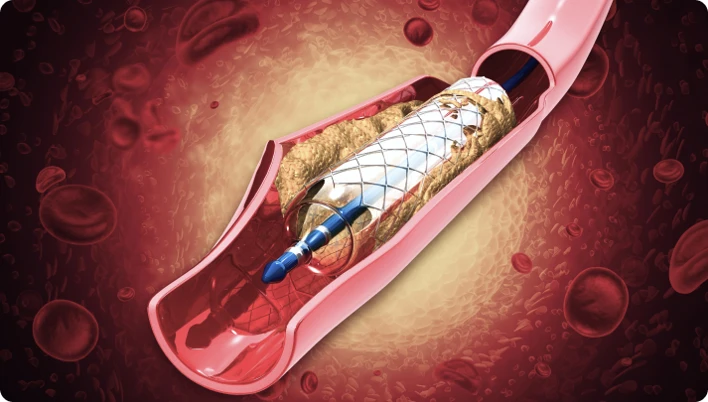
What Is an Angioplasty & Heart Stent For?
Angioplasty, also known as percutaneous coronary intervention (or “balloon heart surgery”),
is a procedure done to open up clogged heart arteries.
This restores blood flow to the heart muscles without the need for open-heart surgery.
Usually, this is done in emergency situations, such as a heart attack, or if doctors
recommend it to their patients who are suspected to have heart disease.
Angioplasty treatment uses a balloon attached to a catheter, which is inserted through a
blood vessel and ultrasound-guided into the clogged coronary artery.
Once the catheter is properly placed, the balloon will be inflated to help widen the blocked blood vessel and improve
blood flow to the heart.
Aside from the coronary arteries, balloon angioplasty is also used to treat narrow or blocked arteries in other parts of
the body, such as the arms and legs (peripheral arteries) and the carotid arteries in the neck that supply blood to the
brain.
Today, cardiac catheterisation (angioplasty) typically involves the use of a stent. This short, expandable mesh tube is
placed into the newly opened part of the artery, preventing it from closing or narrowing again.
How Is a Stent Inserted?
Once the balloon is inflated, a stent will be inserted within the artery to expand and displace the
plaque towards the sides of the arterial wall. The doctor will
then gently retract the balloon and catheter, leaving the stent in place to keep the artery open and
maintain continuous blood flow to the heart muscle.
The number of stents implanted during a balloon angioplasty depends on the severity of the heart
disease and the location of blocked arteries. An individual may receive multiple stent placements,
but complications such as in-stent restenosis may occur.
Most stents are permanently attached inside the vessel and can last a lifetime, although some stents
may be dissolvable in the bloodstream for around
two years.


When Is Coronary Angioplasty Recommended?
Coronary angioplasty is used to restore blood flow when one or more coronary arteries become narrowed or blocked, most commonly due to the build-up of fatty plaques (atherosclerosis). Reduced blood flow may cause symptoms such as chest pain (angina), shortness of breath or reduced exercise tolerance. If the blockage becomes severe or is completely obstructed by a blood clot, it can result in a heart attack requiring emergency treatment.
Your doctor may recommend coronary angioplasty if:
- You have significant narrowing or blockage of one or more coronary arteries.
- You experience stable angina or other symptoms caused by reduced blood flow to the heart.
- You are having a heart attack and require urgent restoration of blood flow.
- Your symptoms or coronary artery disease do not improve despite medications and lifestyle modifications.
What Is an Angiography or Angiogram?
A coronary angiogram is a test used to determine if your coronary arteries are obstructed, where, and by how much. Knowing this will also allow your doctor to determine what kind of treatment you need.
- Will lifestyle and diet changes suffice?
- An angioplasty (with or without a stent?)
- A coronary artery bypass surgery?
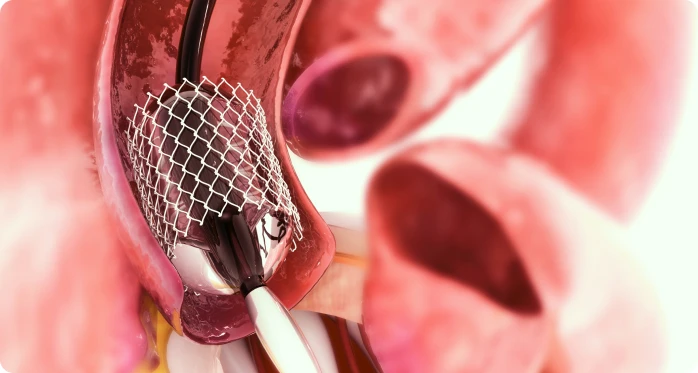
What Happens During an Angiogram?
01
A catheter (a tiny tube) will be inserted through an artery in the groin or arm and gently threaded until it reaches a coronary artery.
02
A contrast dye will be delivered into the bloodstream through the catheter to make the arteries more visible on the X-ray image.
03
By analysing the X-ray images, your doctor can identify any problems in your coronary arteries.
Not everyone with coronary artery disease requires an angioplasty.
At EH Heart Specialist, our specialist performs a comprehensive cardiac assessment and diagnostic screening, including coronary angiography where appropriate, to determine the most suitable treatment for your condition.
How Does an Angioplasty Work?
A coronary angioplasty opens up blocked or narrowed arteries and restores normal blood flow to the heart. It is not a major surgery and causes minimal discomfort and downtime.
- A catheter (a tiny tube) will be inserted through an artery in the groin or arm and gently threaded until it reaches a coronary artery.
- A thin wire is threaded through the catheter to reach the point of obstruction in the coronary artery. A small balloon is attached to this wire.
- The balloon is inflated to widen the obstructed artery, pushing the plaque to the sides of the arterial walls and allowing normal blood flow to resume.
- In many cases, a stent—sometimes dissolvable—is opened as the balloon is inflated and locked in that position to ensure the artery stays open.
- The balloon and catheter are gently removed, and normal blood flow will continue.
What Happens After an Angioplasty?
Angioplasty usually takes 30 minutes to two hours to complete, depending on the complexity. Patients will need to be monitored after the procedure. This allows the medical team to watch for potential complications like bleeding, blood clots, or heart rhythm disturbances, and address them immediately. If there are no complications, patients will be discharged. Most patients can return to work within one to two weeks. However, they should refrain from heavy lifting and strenuous exercise for at least 30 days.
What is the Recovery Like After an Angioplasty Procedure?
Recovery after coronary angioplasty is generally quicker than after open-heart surgery, although the exact timeline varies depending on your overall health, the complexity of the procedure and whether it was performed as an emergency. Your doctor will advise you when it is safe to resume your usual activities.
First few hours
You will be monitored for bleeding at the catheter insertion site, heart rhythm changes and other potential complications.
Same day or next day
Many patients are discharged within 24 hours if they are stable and there are no complications.
First week
Mild bruising or soreness at the catheter insertion site is common. Light daily activities may gradually resume as advised by your doctor.
1–2 weeks
Some patients can return to work and normal daily routines, depending on the nature of their job and individual recovery.
Around 30 days
Most patients have recovered well, although strenuous exercise and heavy lifting should only be resumed after clearance from their doctor.
| Timeframe | What Patients May Expect |
|---|---|
| First few hours | You will be monitored for bleeding at the catheter insertion site, heart rhythm changes and other potential complications. |
| Same day or next day | Many patients are discharged within 24 hours if they are stable and there are no complications. |
| First week | Mild bruising or soreness at the catheter insertion site is common. Light daily activities may gradually resume as advised by your doctor. |
| 1–2 weeks | Some patients can return to work and normal daily routines, depending on the nature of their job and individual recovery. |
| Around 30 days | Most patients have recovered well, although strenuous exercise and heavy lifting should only be resumed after clearance from their doctor. |
Is Angioplasty Suitable for Anyone With Narrowed Arteries?
Though the angioplasty procedure has significantly improved the process of treating artery blockages with greatly reduced invasiveness (compared to open-heart bypass surgery) and its corresponding reduced discomfort and risks, it might not be the first line of treatment nor suitable for all.
When to Consider Coronary Angioplasty?
Coronary angioplasty is commonly recommended for individuals with blockages or narrowing coronary
arteries (atherosclerosis) or those experiencing symptoms of stable angina (chest pain). This
procedure is also recommended as an emergency treatment for a heart attack caused by excessive
clogging
of the arterial vessels.
Furthermore, doctors may perform an angioplasty when a blocked or narrowed artery fails to improve
with prescribed medications or dietary and exercise modifications.

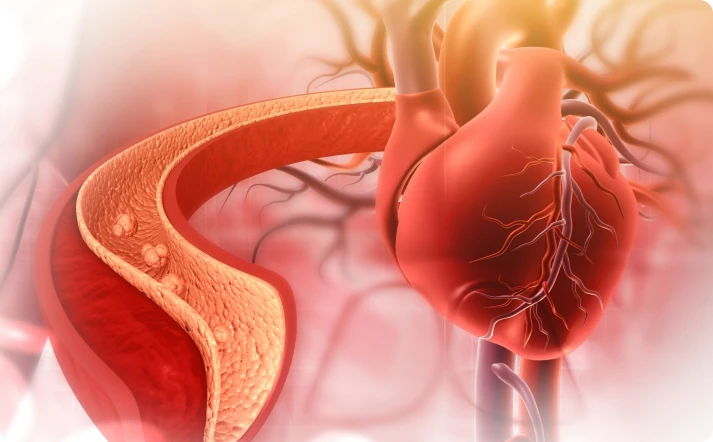
Possible Options Before Angioplasty: Lifestyle & Diet Changes
In cases where the narrowing is not severe, your doctor may recommend a change in lifestyle and diet first to see if the condition improves. These may include:
- Regular exercise
- Quitting smoking and drinking
- Weight loss if you are overweight
- Controlling cholesterol levels
- A healthy diet (less sugary and fatty foods)
When Is One Not Suitable for an Angioplasty?
Certain types of patients may not be suitable for this procedure:
- Patients with diabetes, particularly if it has caused significant blood vessel damage or circulation problems.
- Patients with a weakened heart muscle.
- Patients with multiple narrowed or blocked coronary arteries. In such cases, coronary artery bypass surgery (CABG) may be a more suitable treatment option.
What Are Possible Risks of Angioplasty?
As with any medical procedure, coronary angioplasty carries potential risks. Your doctor will assess your individual risk factors and explain the possible benefits and risks before recommending treatment.
- Artery Damage or Re-narrowing: In some cases, the treated artery may become damaged during the procedure or narrow again over time (restenosis).
- Blood Clots: Blood clots can occasionally form within or around a stent, which may reduce blood flow and increase the risk of a heart attack or stroke.
- Bleeding or Infection: Bleeding, bruising or infection may occur at the catheter insertion site, although these are generally managed with appropriate medical care.
Before proceeding, your doctor will discuss the potential benefits, risks and available treatment options to help you make an informed decision based on your individual condition.
Life After an Angioplasty
Perhaps the most important thing to note is: no matter how effective an angioplasty is, it is not a
permanent treatment for coronary artery disease!
If the patient does not adopt an active and healthy lifestyle after angioplasty or fails to take their
prescribed medicines as instructed, plaque may start building up all over again, leading to the
narrowing of the coronary arteries.
Hence, while the angioplasty may give patients a new lease in life, they must follow up regularly with
their doctor, take their medicines as prescribed, and lead a healthy lifestyle to prevent the same
condition from recurring.
Successful angioplasty is only one part of managing coronary artery disease. At EH
Heart Specialist, Dr Eric Hong provides
personalised follow-up care, ongoing cardiac monitoring and risk factor management to help support your long-term
heart health.
Contact us today to schedule a consultation and receive a personalised treatment plan tailored to your
cardiovascular needs.
Frequently Asked Questions About Angioplasty
In cases of severe arterial blockages, a coronary artery bypass surgery (CABG) is a possible surgical alternative to angioplasty. This procedure involves using the patient's own healthy blood vessels from different body areas, such as the leg or chest. These grafts form another route or bypass a segment of the diseased artery to help restore the flow of oxygen-rich blood to the heart muscle.
Coronary angioplasty is usually performed under local anaesthesia, so patients typically remain awake during the procedure. While you may feel mild pressure or brief discomfort when the balloon is inflated, significant pain is uncommon. Mild soreness or bruising at the catheter insertion site may occur after the procedure.
Yes. Coronary angioplasty is one of the primary treatments for a heart attack caused by a blocked coronary artery. By restoring blood flow as quickly as possible, it can help limit heart muscle damage, reduce complications and improve recovery outcomes.
Not always. While most coronary angioplasty procedures involve placing a stent to help keep the artery open, some patients may only require balloon angioplasty. Your cardiologist will determine the most appropriate treatment based on the location and severity of the blockage.
Yes. Although angioplasty effectively restores blood flow, the treated artery may narrow again over time due to scar tissue formation or the progression of coronary artery disease. Following your prescribed treatment plan, taking medications as directed and adopting a heart-healthy lifestyle can help reduce this risk.
Most coronary stents are designed to remain in the artery permanently and continue supporting blood flow over the long term. However, the stent does not prevent new plaque from developing elsewhere in the coronary arteries, making regular follow-up and ongoing management of cardiovascular risk factors important.
Seek immediate medical attention if you develop severe or worsening chest pain, shortness of breath, heavy bleeding from the catheter insertion site, sudden swelling or severe pain in the treated limb, or signs of a heart attack or stroke. If you experience symptoms of a heart attack, call 995 immediately.
Our Insurance Partners
To keep our services accessible and convenient to our patients, we accept most major insurances
and can assist with the claims process.
We encourage you to call our clinic so we can review your coverage and assist you accordingly.

Meet Our Angioplasty Specialist in Singapore
Dr Eric Hong
Senior Consultant Cardiologist & Internal Medicine Physician
MB BCh (Ireland), MRCP (United Kingdom), FAMS (Cardiology), DIP (CBNC, USA), FSCAI (SCAI, USA), FACC (ACC, USA), FESC (European Society of Cardiology, France), FRCP (Edinburgh, United Kingdom)
MB BCh (Ireland), MRCP (United Kingdom), FAMS (Cardiology), DIP (CBNC, USA), FSCAI (SCAI, USA), FACC (ACC, USA), FESC (European Society of Cardiology, France), FRCP (Edinburgh, United Kingdom)
Dr Eric Hong Cho Tek has with extensive training in both interventional and imaging-based cardiac care. He completed two ACGME (Accreditation Council for Graduate Medical Education, USA) Clinical Fellowships in Interventional Cardiology and Non-Invasive Cardiac Imaging.
Dr Hong performs coronary angioplasty and other catheter-based procedures to restore blood flow in patients with narrowed or blocked coronary arteries. His clinical expertise covers cardiac CT angiography, PET/SPECT imaging and nuclear cardiology, enabling him to provide comprehensive cardiac assessment and personalised treatment planning.
Dr Hong's areas of interest include interventional cardiology (femoral and radial access), sports cardiology, cardiac rehabilitation and advanced cardiac imaging.
Dr Hong performs coronary angioplasty and other catheter-based procedures to restore blood flow in patients with narrowed or blocked coronary arteries. His clinical expertise covers cardiac CT angiography, PET/SPECT imaging and nuclear cardiology, enabling him to provide comprehensive cardiac assessment and personalised treatment planning.
Dr Hong's areas of interest include interventional cardiology (femoral and radial access), sports cardiology, cardiac rehabilitation and advanced cardiac imaging.