How Is Arrhythmia Diagnosed?
Arrhythmia diagnosis may involve a medical history review, physical examination and ECG. Depending on the symptoms, we may recommend extended rhythm monitoring or imaging to assess your heart’s structure and function. Common diagnostic tests include:
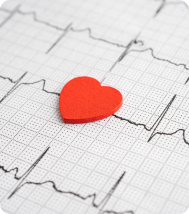
Electrocardiogram (ECG or EKG)
- This is the most common and initial test for arrhythmias. An ECG records the electrical activity of the heart and detects many types of arrhythmias.
- An echocardiogram uses sound waves to create images of the heart. It can also help identify underlying heart conditions that may be causing the arrhythmia.
Electrophysiological Study (EPS)
- An EPS involves inserting thin, flexible tubes (catheters) with electrodes through blood vessels into the heart. These catheters can stimulate the heart to induce arrhythmias and study their electrical patterns to determine the best treatment option.
- Blood tests can provide important information about overall heart health. They can help identify electrolyte imbalances, thyroid problems, or other conditions that might contribute to arrhythmias.
Arrhythmia Treatment Options in Singapore
The most appropriate treatment for arrhythmia depends on the type of abnormal heart rhythm, the severity of symptoms, any underlying heart conditions, stroke risk and your overall health. Your doctor will recommend a personalised treatment plan based on these factors.
Medications
Medications may be prescribed to control the heart's rhythm or slow the heart rate. Depending on the type of arrhythmia, your doctor may also recommend anticoagulants (blood thinners) to reduce the risk of stroke.
Cardioversion
Cardioversion is a procedure performed under anaesthesia that delivers a controlled electrical shock to restore a normal heart rhythm. It is commonly used to treat atrial fibrillation and atrial flutter.
Catheter Ablation
Catheter ablation is a minimally invasive procedure that uses heat, cold or radiofrequency energy to destroy the small area of heart tissue responsible for the abnormal electrical signals causing the arrhythmia.
Pacemaker
A pacemaker is a small battery-powered device implanted beneath the skin of the chest to regulate slow or abnormal heart rhythms. It delivers electrical impulses to help maintain a normal heart rate.
Implantable Cardioverter Defibrillator (ICD)
An implantable cardioverter defibrillator (ICD) is used to monitor the heart rhythm in patients at risk of life-threatening arrhythmias. If a dangerous rhythm is detected, the device delivers an electrical shock to restore a normal heartbeat.
Coronary Artery Bypass Surgery (CABG)
If arrhythmia is associated with severe coronary artery disease, coronary artery bypass surgery (CABG) may be recommended to improve blood flow to the heart. Treating the underlying heart disease may help reduce certain arrhythmia-related complications.
Coronary Angioplasty
For some patients with narrowed or blocked coronary arteries, coronary angioplasty may be performed to restore blood flow to the heart. This procedure treats the underlying coronary artery disease rather than the arrhythmia itself, but it may form part of an overall treatment plan where both conditions are present.
What is Recovery Like After Arrhythmia Treatment?
Recovery after arrhythmia treatment depends on the type of treatment received and the underlying heart condition. Many patients can resume their normal daily activities within a few days after minimally invasive procedures, while others may require a longer recovery period following device implantation or surgery.
Your doctor will provide personalised advice on returning to work, exercise and other activities. Regular follow-up appointments may also be recommended to monitor your heart rhythm, assess treatment effectiveness and adjust medications or implanted devices where necessary.
Potential Complications of Untreated Arrhythmia
Some arrhythmias are harmless and may not require treatment. However, persistent or untreated arrhythmias can reduce the heart's ability to pump blood effectively, increasing the risk of serious complications over time. These may include:
Stroke
Certain arrhythmias, particularly atrial fibrillation, can cause blood to pool inside the heart and form clots. If a clot travels to the brain, it can block blood flow and cause a stroke.
Heart Failure
A prolonged fast or irregular heart rhythm can weaken the heart muscle over time, reducing its ability to pump blood efficiently and potentially leading to heart failure.
Cardiomyopathy
Some untreated arrhythmias can place persistent strain on the heart, causing the heart muscle to enlarge, weaken or become less effective at pumping blood.
Cardiac Arrest
Certain life-threatening arrhythmias, such as ventricular fibrillation, can cause the heart to stop pumping blood suddenly. Cardiac arrest is a medical emergency requiring immediate treatment to improve the chances of survival.
How to Prevent Arrhythmia
Adopting a heart-healthy lifestyle is helpful in managing or lowering the risk of arrhythmias.
- Diet and Exercise – A balanced diet with fruits, vegetables, whole grains, and lean proteins supports heart health. Additionally, foods rich in omega-3 fatty acids can also lower blood pressure and reduce inflammation. Regular physical activity helps control weight, strengthens the heart, and improves overall cardiovascular function.
- Stress Management – Chronic stress can contribute to heart problems. Incorporate relaxation techniques like meditation, yoga, or deep breathing into your routine.
- Limiting Stimulants – Excessive caffeine and alcohol consumption can affect heart rhythm.
- Practise Good Sleep Habits – Adequate sleep is vital for overall health, including heart health. Aim for 7-9 hours of quality sleep each night.
Visiting a Specialist for Arrhythmia Treatment
Occasional changes in your heartbeat may not always indicate a serious condition. However, persistent, recurring or worsening symptoms should be assessed by a doctor, particularly if they are accompanied by chest pain, shortness of breath, dizziness or fainting.
You should also seek medical evaluation if you have underlying cardiovascular risk factors, such as coronary artery disease, heart failure, high blood pressure, diabetes or a family history of heart disease, as these may increase your risk of clinically significant arrhythmias.
At EH Heart Specialist, Dr Eric Hong provides comprehensive cardiac assessment, advanced diagnostic testing and personalised treatment plans to identify the underlying cause of your arrhythmia and recommend the most appropriate management.