





Heart Attack Treatment in Singapore

MB BCh (Ireland), MRCP (United Kingdom), FAMS (Cardiology), DIP (CBNC, USA), FSCAI (SCAI, USA), FACC (ACC, USA), FESC (European Society of Cardiology, France), FRCP (Edinburgh, United Kingdom)
Overview
- What is a Heart Attack?
- How Common Are Heart Attacks in Singapore?
- What Is a Silent Heart Attack?
- Signs and Symptoms of a Heart Attack
- Potential Causes of a Heart Attack
What is a Heart Attack?
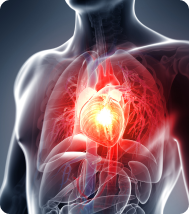
A heart attack, also called myocardial infarction, happens when blood flow to part of the heart muscle is blocked. This is commonly linked to coronary artery disease, where plaque build-up or a blood clot narrows or blocks a coronary artery. Treatment aims to restore blood flow, reduce heart muscle damage and manage future cardiovascular risk.


How Common Are Heart Attacks in Singapore?
Cardiovascular disease remains one of Singapore's leading health concerns, accounting for 30.5% of all
deaths in 2024. This means that about 22 people die from cardiovascular disease every day, or nearly 1 in 3
deaths nationwide.
Given how common and potentially life-threatening heart attacks are, recognising the warning signs early and
seeking immediate medical attention can make a significant difference. Prompt diagnosis and treatment may
help limit heart muscle damage, reduce the risk of serious complications and improve long-term recovery.
What Is a Silent Heart Attack?
A silent heart attack may occur without the typical symptoms associated with a heart attack, such as chest pain or pressure. Instead, it may present itself with subtle signs that could be mistaken for a less severe condition, such as heartburn, indigestion, or a strained chest muscle. In some cases, an individual may not be aware of having a heart attack until they receive a diagnosis weeks or months later.
Signs and Symptoms of a Heart Attack
Heart attack symptoms vary, ranging from mild to severe pain. Some occur suddenly, while others have warning signs days or weeks in advance. The following are common signs and symptoms of a heart attack:
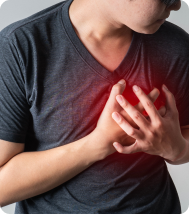
- Chest pain and discomfort
- Pain that radiates to the arms, back, jaw, neck or stomach
- Shortness of breath
- Cold sweat, nausea, dizziness or light-headedness
Additionally, there are some atypical symptoms that women are more likely to experience, including:
- Heartburn or indigestion
- Extreme fatigue
- Pressure in the upper back
- Heart ‘flutters’
If you think you might be having a heart attack, call 995 immediately. Early emergency care can help reduce heart muscle damage and complications, though recovery depends on the heart attack’s severity, treatment timing and overall health. Even if you are not sure, it is always better to be safe and seek medical attention.
Potential Causes of a Heart Attack
The most common cause of a heart attack is the presence of a complete or partial blockage in one or more of the coronary arteries due to the build-up of fatty plaques in the arteries. If the plaques rupture, the resulting blood clots may block the blood supply to the heart and may trigger a heart attack.
Other causes of heart attacks include:
- Coronary Artery Spasm – This refers to the temporary tightening or contraction of the coronary arteries, which can restrict blood flow and cause a heart attack.
- Spontaneous Coronary Artery Dissection – This occurs when a tear forms inside the coronary arteries, allowing blood to become trapped between the layers of the artery wall and causing it to protrude inward.
- Anomalous Coronary Arteries – These are congenital defects in which the coronary arteries are positioned abnormally, leading to problems with blood circulation in the heart.
- Takotsubo or Stress Cardiomyopathy – This condition is typically triggered by intense emotional or physical stress, which can result in rapid and reversible heart muscle weakness.
- Coronary Artery Embolism – This happens when a blood clot or air bubble travels through the bloodstream and blocks one of the coronary arteries.
- Electrolyte Imbalance – Severe electrolyte imbalances, particularly in potassium or magnesium levels, can disrupt the heart's electrical activity and lead to a heart attack.
- Rare Medical Conditions – Certain rare medical conditions, such as blood clotting disorders or vascular conditions, may cause unusual narrowing and increase the risk of a heart attack.
Risk Factors for a Heart Attack
Several factors can increase an individual's chances of developing a heart attack; some are preventable (modifiable), while others are beyond control (non-modifiable). Common risk factors include:
- Age and Gender – The risk of heart attacks increases with age, for men after the age of 45 and for women after the age of 55 or after reaching menopause.
- Family History – If a close relative, such as a parent or sibling, had a heart attack, particularly at a young age, it is more likely that an individual can develop one too.
- Lifestyle – Lifestyle choices, such as smoking, alcohol consumption, lack of physical activity and a high-fat diet can increase the risk of having a heart attack.
- Certain Health Conditions – Some health conditions can strain the heart and lead to heart attacks. These conditions include diabetes, obesity, high blood pressure (hypertension), high cholesterol or triglycerides, and a history of preeclampsia.
Complications of a Heart Attack
A heart attack can lead to several complications, some of which can be life-threatening. These include:
- Heart Failure – This condition occurs when the heart is unable to pump enough blood, which can lead to sudden death.
- Cardiogenic Shock – This is a more severe form of heart failure that requires prompt treatment.
- Arrhythmias – These are irregular heartbeats that affect the flow of blood and oxygen to the heart.
- Angina – This refers to the continued narrowing of coronary arteries after a heart attack, which can cause ongoing chest pain.
- Heart Rupture – This occurs when the areas of the heart muscle that have been weakened by a heart attack rupture and cause heart failure or cardiogenic shock.
How Doctors Assess a Suspected Heart Attack
A heart attack is diagnosed by considering your symptoms, physical examination and the results of several diagnostic tests. These investigations help confirm whether heart muscle damage has occurred, identify blocked coronary arteries and guide the most appropriate treatment.
Electrocardiogram (ECG)
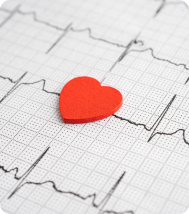
An electrocardiogram (ECG) records the heart's electrical activity and is often the first test performed when a heart attack is suspected. It can detect changes that indicate reduced blood flow or damage to the heart muscle.
Blood tests
Blood tests measure cardiac biomarkers, such as troponin, which are released into the bloodstream when heart muscle cells are damaged. These markers help confirm whether a heart attack has occurred.
Echocardiogram
An echocardiogram uses ultrasound to produce moving images of the heart. It allows your cardiologist to assess how well the heart is pumping, identify areas of weakened muscle and detect complications that may have developed after a heart attack.
Coronary angiography
Coronary angiography uses X-ray imaging and contrast dye to identify narrowed or blocked coronary arteries. It is commonly performed during an emergency heart attack and may be combined with angioplasty and stent placement to restore blood flow.
Cardiac CT scan
A cardiac CT scan provides detailed images of the heart and coronary arteries. In selected patients, it can help evaluate plaque build-up, assess coronary artery disease and investigate chest pain when the diagnosis is uncertain.
Cardiac PET scan
A cardiac PET scan evaluates blood flow to the heart muscle and determines whether areas of damaged heart tissue remain viable. It is typically used in selected cases to guide treatment planning for patients with complex coronary artery disease or heart failure.
Treatment for a Heart Attack
Heart attack treatment focuses on immediate action to restore blood flow, minimise damage and manage symptoms. This may involve a combination of:
Heart Surgery
Coronary Artery Bypass Grafting (CABG), also known as heart bypass surgery, is a surgical procedure used to help treat a heart attack by improving blood flow to the heart muscle through grafting. This procedure attaches a healthy blood vessel from another part of the body to a blocked coronary artery. It creates a bypass around the blockage, allowing oxygen-rich blood to reach the heart muscle more effectively.
Balloon Angioplasty
Coronary
angioplasty is a minimally invasive procedure that improves blood flow to the heart
by widening narrowed or blocked coronary arteries, often used in treating a heart attack. During the
procedure, a thin catheter
with a deflated balloon at its tip is inserted into a blood vessel and guided to the
blockage. The balloon is inflated, compressing plaque buildup and widening the artery. In most cases, a
metal stent is deployed simultaneously to provide lasting support, helping treat a heart attack by
maintaining normal blood flow and preventing the artery from re-narrowing.
A balloon angioplasty procedure is usually performed under local anaesthesia and may last
anywhere from 30 minutes to two hours. Patients can be discharged the following day if no
complications occur.
Medication
Medications play an important role in both the emergency treatment of a heart attack and long-term recovery. Depending on the severity of the heart attack and your overall condition, your cardiologist may prescribe one or more of the following:
- Clot-dissolving medications: Treat heart attacks by dissolving blood clots that block coronary arteries and restoring blood flow.
- Anti-clotting medications: Prevent future clot formation.
- Anti-arrhythmic medications: Restore normal heart rhythm.
- Pain medications: Provide pain relief and reduce heart workload.
Additionally, adopting a healthy lifestyle through diet, exercise and stress management is crucial for long-term heart health.
Preparing for a Heart Attack Treatment Procedure
If a procedure such as coronary angioplasty or heart surgery is required, your medical team will prepare you as quickly as possible while ensuring it is safe to proceed. To support treatment, you or your family should let your cardiologist know about:
- Allergies: Inform your doctor of any allergies to medications, contrast dye or other substances that may be used during your procedure.
- Existing medical conditions: Share any history of diabetes, kidney disease, bleeding disorders, stroke or other significant medical conditions that could affect your treatment.
- Current medications: Provide a complete list of prescription medications, over-the-counter medicines and supplements you are taking, especially blood thinners or diabetes medications, as some may need to be adjusted.
- Previous procedures or reactions: Let your doctor know if you have previously undergone heart procedures or experienced complications with anaesthesia, contrast dye or other medical treatments.
Your cardiologist will explain the recommended procedure, discuss the potential benefits and risks and provide any additional instructions based on your individual condition before treatment begins.
Recovery and Rehabilitation After a Heart Attack
Recovering from a heart attack involves both physical and emotional healing. The process can be challenging, but support can help you get back on track.
- Physical and emotional recovery includes managing physical symptoms, improving strength and endurance, and dealing with emotions such as fear and depression.
- Cardiac rehabilitation programmes offer education, counselling and exercise training to help patients recover and reduce the risk of future heart problems.
Remember, recovery is a personal journey with varying timeframes and experiences. Celebrate your individual achievements and set realistic goals based on your specific circumstances.
Heart Attack Prevention Measures
To reduce the risk of future heart problems, lifestyle changes and following medical advice are crucial. These include:
- Regular health check-ups and follow-ups to help detect and manage heart disease early.
- Quit smoking and adopt a healthy lifestyle by exercising regularly and maintaining a healthy weight through a balanced diet.
- Manage existing health conditions like diabetes, high blood pressure and high cholesterol.
- Practice stress management with techniques like yoga and meditation.
- Monitor risk factors like blood pressure, blood sugar and cholesterol.
- Take medications as prescribed by your doctor.
Comprehensive Heart Care at EH Heart Specialist
A heart attack is a life-changing event, but with the right medical care and long-term management, many patients can return to an active lifestyle.
At EH Heart Specialist, our senior consultant cardiologist and internal medicine physician, Dr Eric Hong, provides comprehensive cardiac assessment, personalised treatment plans and long-term follow-up care to support your recovery and reduce the risk of future heart complications.
Contact us to schedule a consultation with our cardiologist and take the next step towards better heart health.
Frequently Asked Questions About Heart Attacks

MB BCh (Ireland), MRCP (United Kingdom), FAMS (Cardiology), DIP (CBNC, USA), FSCAI (SCAI, USA), FACC (ACC, USA), FESC (European Society of Cardiology, France), FRCP (Edinburgh, United Kingdom)