





When Should You See a Cardiologist for High Blood Pressure?


High blood pressure, also known as hypertension, is one of the most common cardiovascular conditions in Singapore. This condition often develops without obvious symptoms, placing a gradual burden on the heart and blood vessels. This strain can eventually compound into a serious complication, putting the patient's life at risk if not managed.
Many people assume that high blood pressure can be managed solely through medication or lifestyle changes. However, some cases may require a more comprehensive assessment by a cardiologist, particularly when high blood pressure is caused by an underlying heart condition. By understanding these circumstances, patients can more effectively seek out care from a specialist.
How High Blood Pressure Affects Your Heart and Blood Vessels
High blood pressure occurs when blood consistently flows through the arteries with more force than normal. As blood is pumped from the heart, it exerts pressure against the walls of the blood vessels. This persistent pressure can strain the inner lining of the arteries, leading to a variety of harmful developments. Once these blood vessels become narrowed and stiffened, they restrict blood flow to vital organs and tissues, increasing the risk of complications.
Increased Workload on the Heart
As the arteries become less efficient, the heart must work harder to pump blood throughout the body. This increased workload can cause the heart muscle, particularly the left ventricle, to thicken over time. While this adaptation may initially help maintain blood flow, it can eventually reduce the heart's ability to pump effectively and increase the risk of heart failure.
Risk of Heart Attack and Stroke
When blood vessels supplying the heart become narrowed or blocked, blood flow to the heart muscle may be reduced, potentially resulting in a heart attack. Similarly, damage to blood vessels in the brain can increase the likelihood of a stroke. High blood pressure is one of the leading risk factors for both conditions.
Effects on Other Organs
The effects of high blood pressure are not limited to the cardiovascular system. Reduced blood flow and damaged blood vessels can also affect the kidneys, eyes and brain. Over time, this may contribute to chronic kidney disease, vision problems and cognitive decline.
Because these changes often develop gradually and without noticeable symptoms, many people may be unaware that ongoing damage is occurring. This is why regular blood pressure monitoring and appropriate medical management are important for protecting long-term cardiovascular health.
Common Signs and Symptoms of High Blood Pressure
Some individuals may develop symptoms when blood pressure becomes significantly elevated or begins affecting the body's organs and blood vessels. Common symptoms include:
- Persistent headaches
- Dizziness or lightheadedness
- Blurred or impaired vision
- Shortness of breath
- Chest discomfort or chest pain
- Fatigue
- Heart palpitations
- Nosebleeds, particularly when blood pressure is severely elevated
Because symptoms do not always correlate with blood pressure levels, regular monitoring remains one of the most reliable ways to detect and manage hypertension.
When Is High Blood Pressure Considered Dangerous?
Patients with high blood pressure should take note if they develop symptoms that are intense, persistent or worsening over time. For example, a headache that feels unusually severe, breathlessness that comes on suddenly or chest discomfort that does not settle may suggest that the heart, brain or blood vessels are under significant strain.
It is also important to pay attention to symptoms that affect daily function. Feeling unusually weak, confused, faint, unsteady or unable to speak clearly may point to a more serious issue that requires urgent medical attention.
Some examples of urgent symptoms are:
- Sudden weakness or numbness on one side of the body
- Difficulty speaking, slurred speech or trouble understanding others
- Sudden confusion or altered mental state
- Fainting or loss of consciousness
- Severe difficulty breathing that develops rapidly
- Sudden loss of vision or significant changes in vision
- Loss of balance, coordination or the ability to walk normally
- Sudden onset of severe chest pain, pressure or tightness
These may be signs of a serious cardiovascular or neurological event, such as a heart attack or stroke.
How Can a Cardiologist Help You Manage High Blood Pressure?
During a heart screening, a cardiologist can help assess possible underlying causes of high blood pressure and find out whether it has affected the heart or blood vessels. This aids them in developing a personalised treatment plan to reduce the risk of future complications. Depending on the patient's condition, high blood pressure management may involve medication, ongoing monitoring and lifestyle modifications.
Comprehensive Cardiovascular Assessment
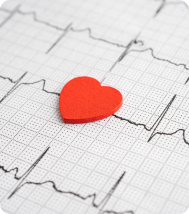
High blood pressure is not always an isolated condition. A cardiologist may evaluate whether it is linked to other cardiovascular issues such as coronary artery disease, heart failure or heart rhythm disorders. Diagnostic tests such as electrocardiograms (ECGs), echocardiograms and cardiac imaging may be recommended to assess heart function and detect potential complications such as heart disease.
Personalised Medical Management
After a comprehensive assessment, a cardiologist is able to create a medical management plan for high blood pressure, including medication prescriptions, the need for secondary observation and any potential procedures that the patient may need.
Guidance on Lifestyle Changes
Lifestyle modifications remain an important part of managing high blood pressure. A cardiologist can provide personalised advice on dietary changes, physical activity, weight management and other habits that may contribute to elevated blood pressure. These measures can complement medical treatment and help reduce the risk of future cardiovascular complications.

Preventing Heart Complications Through Early Intervention
Managing high blood pressure is a lifelong commitment that requires more than just occasional check-ups. Early intervention is most effective when patients understand the impact that this condition can have and are empowered to take proactive steps. Through regular monitoring, appropriate treatment and timely specialist assessment when necessary, many of the serious risks associated with high blood pressure can be reduced or prevented.
At EH Heart Specialist Clinic, our cardiology clinic in Singapore, we provide comprehensive evaluations to help you understand the root cause of your hypertension. Dr Eric Hong, our senior consultant cardiologist & internal medicine physician, evaluates each patient's cardiovascular risk profile and develops an individualised management plan based on their clinical needs. Through appropriate investigations, medical management and ongoing monitoring, Dr Hong aims to support patients in managing their blood pressure and reducing their risk of cardiovascular complications.
Do not wait for symptoms to appear. Contact us today to book an appointment with a cardiologist in Singapore and take control of your heart health.