





Chest Discomfort During Exercise: When to See a Heart Clinic


Active and athletic adults are often highly familiar with their own bodies. Whether training for a marathon, cycling on weekends or maintaining a regular gym routine, they become familiar with the aches, fatigue and discomfort that can accompany physical exertion. When chest discomfort occurs, it becomes easy to assume that muscle strain or fatigue is to blame.
However, regular exercise does not automatically rule out heart disease. Certain cardiovascular conditions can still develop in active adults, and chest discomfort may sometimes be one of the earliest signs that further evaluation is needed. Understanding how to recognise potentially concerning symptoms can help you determine when chest discomfort is likely to be exercise-related and when it may be worth seeking medical attention.
Is Chest Discomfort During Exercise Always Heart-Related?
Chest discomfort during or after exercise does not always indicate a heart problem. In active adults, symptoms can sometimes originate from the muscles, chest wall, lungs or digestive system. Some common causes of discomfort are:
- Muscle strain: Chest muscles can become strained after intense workouts, heavy lifting or repetitive upper-body exercises. The discomfort is often localised and worsens with movement.
- Costochondritis: Inflammation of the cartilage connecting the ribs to the breastbone can cause sharp or aching chest pain, particularly during movement or deep breathing.
- Acid reflux: Stomach acid travelling into the oesophagus can create a burning sensation in the chest that may be mistaken for heart-related discomfort.
- Exercise-induced asthma: Physical activity can trigger airway narrowing in some individuals, leading to chest tightness, coughing, wheezing or shortness of breath.
Although chest discomfort can be caused by these conditions, some types of pain are not considered a normal response to exercise.
Warning Signs That Chest Discomfort May Be Coming From the Heart
Experiencing an abnormal level of pain during exercise may be a sign of a heart condition. Common warning signs are:
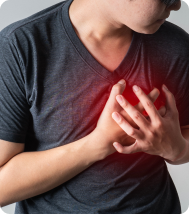
- Chest tightness, pressure or a squeezing sensation: Heart-related discomfort is often described as a feeling of heaviness, pressure or tightness in the chest rather than a sharp, localised pain.
- Symptoms triggered consistently by exertion: Discomfort that repeatedly occurs during activities such as running, cycling or climbing stairs and improves with rest may warrant further evaluation.
- Pain radiating to the jaw, neck, shoulder or arm: Chest discomfort that spreads beyond the chest, particularly to the left arm, jaw, neck or shoulders, can sometimes be associated with a heart problem.
- Shortness of breath out of proportion to activity: Becoming unusually breathless during exercise that would normally be well-tolerated may be a sign that the heart is not functioning as efficiently as it should.
- Dizziness, light-headedness or fainting: Feeling faint or losing consciousness during physical activity should never be ignored and should be assessed promptly.
- Palpitations accompanying chest symptoms: A racing, pounding or irregular heartbeat occurring together with chest discomfort may indicate an underlying cardiac rhythm issue that requires investigation.
These symptoms do not always mean that a serious heart condition is present. However, when they occur during exertion or follow a recurring pattern, they may indicate conditions such as angina or other forms of heart disease.
Why Some Active Adults May Still Be at Risk of Heart Disease
Regular exercise is one of the best ways to support cardiovascular health, but fitness alone does not eliminate the risk of heart disease. Certain risk factors can still increase the likelihood of developing underlying cardiovascular conditions, even in individuals who maintain an active lifestyle.
Age Over 40
Conditions such as coronary artery disease become more common with age, even among individuals who exercise regularly. While staying active can help lower cardiovascular risk, new or unexplained chest discomfort should not be automatically attributed to ageing or physical exertion.
High Blood Pressure, Diabetes or High Cholesterol
These conditions can damage blood vessels over many years and increase the risk of developing cardiovascular disease. High blood pressure places additional strain on the heart, while diabetes and high cholesterol can contribute to the narrowing of arteries. Even if symptoms are not present during daily activities, they may become more noticeable during exercise when the heart is working harder.
Smoking History
Smoking damages blood vessels and accelerates the development of cardiovascular disease. Although quitting smoking significantly improves long-term health, former smokers may still carry a higher risk of heart-related conditions compared to individuals who have never smoked.
Family History of Heart Disease or Sudden Cardiac Arrest
A family history of heart disease, particularly in close relatives diagnosed at a younger age, may point to an increase in an individual's cardiovascular risk. Certain inherited heart conditions can also raise the risk of abnormal heart rhythms or sudden cardiac events, including in people who are otherwise fit and active.
Returning to Exercise After a Long Break
Resuming vigorous exercise after months or years of inactivity can be particularly demanding on the cardiovascular system. This is especially relevant for individuals who already have underlying risk factors.
When Should You Visit a Heart Clinic for Chest Discomfort?
Not all chest discomfort requires immediate medical attention. However, if symptoms become persistent, recurrent or begin affecting your ability to exercise confidently, it may be time to seek a professional assessment.
- Symptoms that keep returning: Chest discomfort that occurs repeatedly over days, weeks or months should be evaluated, even if each episode is mild.
- Symptoms that are becoming more frequent: Discomfort that occurs more often than before or begins happening during lower levels of activity may warrant further investigation.
- Symptoms that interfere with exercise: If chest discomfort causes you to cut workouts short, avoid certain activities or worry about pushing yourself physically, a medical review may help identify the cause.
- Symptoms without an obvious explanation: Discomfort that cannot be linked to a recent injury, illness or other clear trigger should not be ignored.
- Persistent concerns about your heart health: If you have cardiovascular risk factors or remain uncertain about the cause of your symptoms, a heart assessment can provide clarity and peace of mind.
If an underlying cardiac condition is present, timely diagnosis and treatment can help reduce the risk of complications and support a safe return to regular physical activity.
How Can a Heart Clinic Evaluate Your Symptoms?
If you are experiencing these symptoms or have concerns about your cardiac health, a heart specialist clinic will be able to provide a heart screening to determine whether your symptoms may be related to an underlying condition. Many heart specialists also offer sports cardiology assessments for athletes and those with active lifestyles.
Depending on your symptoms, risk factors and medical history, your doctor may recommend one or more of the following tests:
Personalised Assessment
When you visit a heart clinic, the evaluation typically begins with a detailed review of your symptoms, medical history and cardiovascular risk factors. Your doctor may ask about when the discomfort occurs, how it feels, whether it is triggered by exercise and whether any accompanying symptoms are present. This information helps guide further investigations and determine the most likely cause of your symptoms.
Electrocardiogram (ECG)
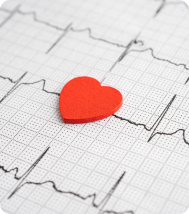
An electrocardiogram (ECG) records the electrical activity of the heart. It can help identify abnormal heart rhythms, evidence of previous heart damage or other electrical abnormalities that may contribute to chest discomfort.
Echocardiogram
An echocardiogram uses ultrasound technology to create images of the heart. It allows the doctor to assess the heart's structure, pumping function and heart valves, helping to identify conditions that may cause symptoms during physical activity.
Cardiac Stress Testing
Cardiac stress testing evaluates how the heart performs when it is placed under increased workload. During the test, your heart rate, blood pressure and heart rhythm are monitored while you exercise on a treadmill or stationary bicycle. This helps identify potential abnormalities that may not be apparent when the body is at rest, including reduced blood flow to the heart and exercise-induced cardiac symptoms.
Cardiac Imaging
Depending on your symptoms and test results, additional cardiac imaging may be recommended. These investigations provide more detailed information about the heart and blood vessels and can help identify underlying conditions that may not be detected through initial testing alone.

Supporting Your Cardiac Health While Staying Active
Recurring, unexplained or persistent symptoms should not be ignored, particularly when they affect your ability to train, exercise or maintain your daily routine. As chest discomfort can arise from a wide range of causes, identifying whether a cardiac condition is involved is an important step in determining the appropriate course of action.
Understanding the cause of your symptoms through an early evaluation can provide reassurance regarding your symptoms while enabling timely diagnosis and further treatment.
At EH Heart Specialist Clinic, our cardiology clinic in Singapore, we provide comprehensive cardiac evaluations for active individuals experiencing chest discomfort. Whether you require a heart screening, sports cardiology assessment or specialised diagnostic testing, Dr Eric Hong, our senior consultant cardiologist & internal medicine physician, is dedicated to helping you understand your symptoms, identify potential cardiac concerns and make informed decisions about your long-term heart health.
Do not ignore persistent or unexplained chest discomfort. Contact us today to book an appointment and take the next step towards protecting your active lifestyle.