






No. You should stop exercising immediately if chest discomfort is persistent, worsening or different from your usual exertion.
Symptoms such as pressure, tightness or pain that do not resolve quickly with rest may indicate an underlying issue. Continuing to exercise in this state can place unnecessary strain on the heart and should be avoided until you are medically assessed.
Chest Discomfort in Active Adults: When to Visit a Clinic?


Chest discomfort during exercise is not normal if it is persistent, limits activity or does not resolve within a few minutes of rest. These features may indicate reduced blood flow to the heart rather than normal exertion.
If you are stopping workouts early, avoiding exercise or noticing recurring symptoms at similar intensity levels, you should seek medical evaluation to identify the underlying cause.
Is Chest Discomfort During Exercise Normal?
Mild chest discomfort during exercise is normal if it is short-lived, generalised and resolves quickly with rest. It is not normal if it persists, feels localised or limits your ability to continue exercising.
You can distinguish normal exertion from concerning chest pain using three criteria: duration, intensity and pattern.
Normal exertion:
- Resolves within a few minutes of rest
- Feels generalised rather than localised
- Does not affect performance
Concerning chest discomfort:
- Persists despite rest
- Feels tight, restrictive or localised
- Forces you to slow down or stop
- Recurs at similar levels of exertion
Some high-intensity exercise can cause temporary chest tightness. However, symptoms that persist beyond a few minutes or occur repeatedly should be evaluated.
How Does Heart-Related Chest Pain Differ From Routine Pain?
Heart-related chest pain is typically persistent, central and triggered by exertion, while routine muscle pain is usually localised and improves with movement or rest.
Instead of focusing only on how the pain feels, assess how it behaves over time.
Heart-related chest pain often:
- Feels like pressure, heaviness or squeezing
- Builds gradually and does not resolve quickly with rest
- Occurs deep in the centre of the chest
- Spreads to the arm, neck, jaw, back or shoulders
- Limits your ability to maintain exercise intensity
- Recurs at predictable levels of exertion
Muscle-related pain often:
- Feels sharp or pinpoint
- Is triggered by specific movements
- Improves with stretching or rest
- Remains localised
Not all heart-related symptoms follow a classic pattern. Some individuals may experience milder or atypical symptoms, especially older adults or those with diabetes.
What Are the Most Common Causes of Chest Discomfort?
The most common cause of chest discomfort during exercise is coronary artery disease (CAD), where narrowed arteries reduce oxygen supply to the heart during exertion.
Other heart-related causes include:
- Heart rhythm disorders (arrhythmia): Irregular heartbeat affecting blood flow
- Heart valve disease: Impaired valve function reducing circulation efficiency
Not all chest discomfort is cardiac. Non-heart-related causes include:
- Muscle strain from exercise
- Acid reflux (GERD)
- Anxiety or stress-related chest tightness
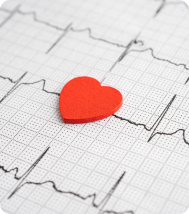
A specialist can determine the cause through heart screening tests such as electrocardiogram (ECG), stress testing or cardiac imaging.
Who Is at Higher Risk of Heart-Related Chest Conditions?
You may be at higher risk if you have:
- High blood pressure
- High cholesterol
- Diabetes
- A family history of heart disease
- Congenital heart conditions
Physical fitness does not eliminate the risk of heart disease. Active individuals can still develop underlying cardiac conditions.

When Should You See a Specialist for Chest Pain?
You should seek medical attention if your chest discomfort:
- Persists for more than a few minutes after rest
- Occurs repeatedly during similar levels of exercise
- Worsens over time
- Spreads to the arm, jaw, neck or back
- Is associated with breathlessness, dizziness or unusual fatigue
Most chest discomfort in active individuals is not caused by heart disease. However, symptoms that are persistent, predictable or progressively worsening should be evaluated to rule out cardiac causes.
Take Control of Chest Discomfort with Timely Cardiac Care
Chest discomfort that disrupts your routine or limits performance should not be ignored. Early evaluation helps identify the cause and ensures it is safe to continue exercising.
At EH Heart Specialist Clinic, our sports cardiology care is centred on identifying the precise cause of your symptoms and guiding you towards safe, sustainable activity. Each patient receives a personalised approach tailored to their lifestyle and concerns. Dr Eric Hong, leads a structured approach to evaluating exercise-related chest discomfort and guiding patients towards safe, sustainable activity. If chest discomfort has begun to affect your workouts or daily activities, contact us today to arrange an appointment and take a proactive step towards protecting your heart health.
FAQs About Chest Discomfort in Active Adults
You can reduce your risk by maintaining good cardiovascular health and exercising safely.
Key steps include:
- Monitoring blood pressure, cholesterol and blood sugar
- Increasing exercise intensity gradually
- Allowing adequate recovery between workouts
- Paying attention to new or unusual symptoms
Regular medical check-ups can help detect risk factors early.
Yes. Physical fitness does not eliminate the risk of heart disease.
Some individuals may have underlying conditions such as coronary artery disease or arrhythmia that are not immediately apparent. Chest discomfort that occurs during routine exercise or at familiar intensity levels should be evaluated.
Common tests include an ECG, stress test and cardiac imaging to assess heart rhythm, function and blood flow.
The choice of tests depends on your symptoms, medical history and activity level. These investigations help determine whether the cause is cardiac or non-cardiac.