







Yes, in some cases. If a person's heart condition or arrhythmia risk changes, a pacemaker system may later be upgraded to an ICD-capable system. Whether this is appropriate depends on the reason for the original pacemaker and the existing device and leads.
Pacemaker vs ICD: What Is the Difference?

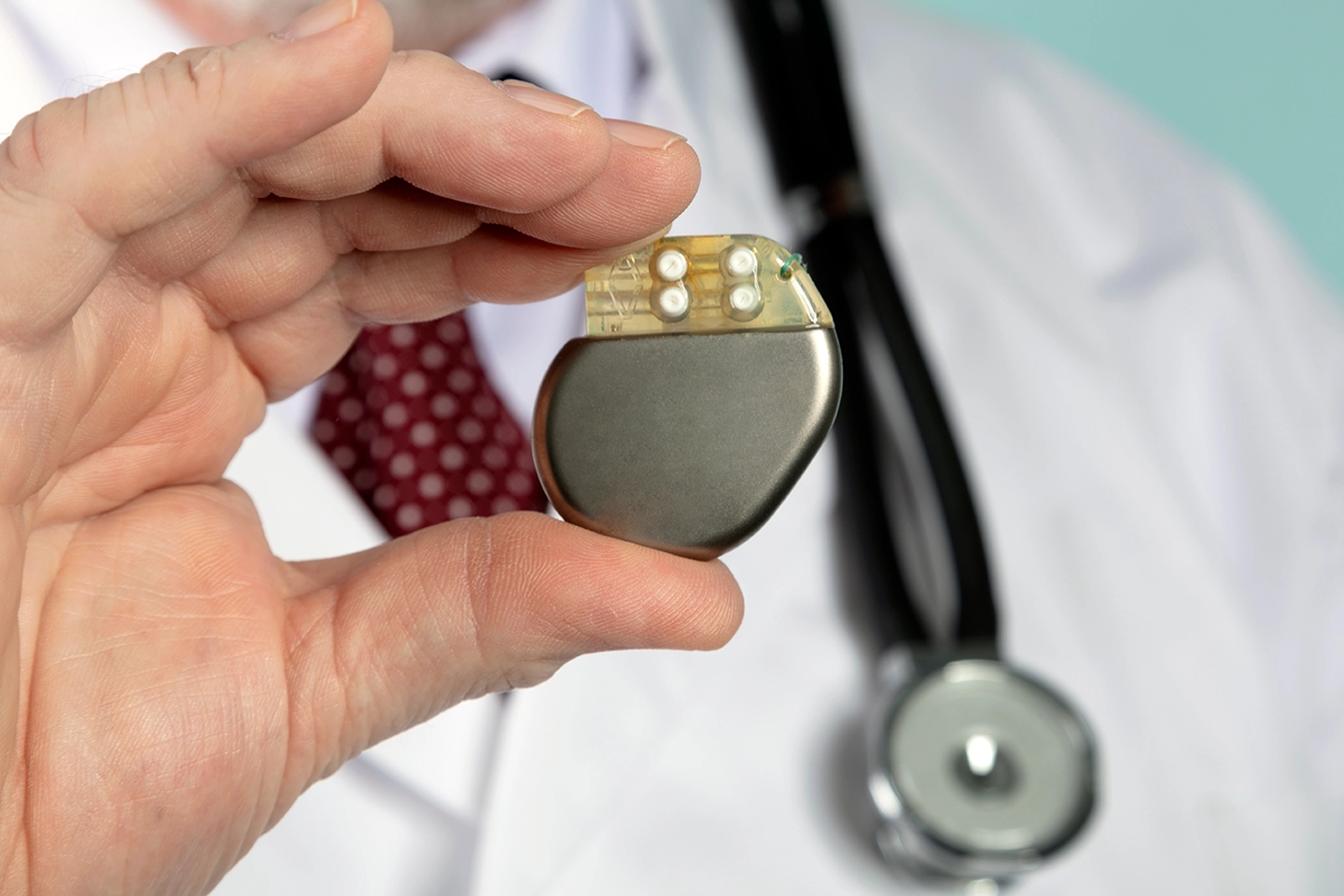
Pacemakers and implantable cardioverter-defibrillators (ICDs) are both devices used to manage problems with the heart's electrical system, but they are designed for different purposes. A pacemaker mainly helps when the heart is beating too slowly or electrical signals are not travelling properly, while an ICD is designed to detect and treat certain dangerous heart rhythms that can lead to sudden cardiac arrest.
Understanding the difference between a pacemaker and an ICD can make it easier to see why one device may be recommended over the other based on a patient's unique health conditions.
Key Takeaways
- A pacemaker is mainly used when the heart beats too slowly or when electrical signals do not travel properly through the heart.
- An implantable cardioverter-defibrillator (ICD) is designed to detect and treat certain life-threatening ventricular arrhythmias that can lead to sudden cardiac arrest.
- Device selection depends on the documented rhythm problem, the person's risk of dangerous arrhythmias and the underlying heart condition.
When Is a Pacemaker Needed?
A pacemaker may be needed when the heart's electrical system cannot reliably maintain an appropriate heartbeat on its own.
When the Heartbeat Is Persistently Too Slow
A pacemaker may be recommended when bradycardia, or an abnormally slow heartbeat, is linked to symptoms because the heart's electrical system is not maintaining an adequate rate. In sinus node dysfunction, doctors consider whether symptoms correspond with the slow rhythm rather than relying on one heart rate or pause threshold alone.
When Electrical Signals Are Delayed or Blocked
A pacemaker may also be needed when electrical signals cannot travel normally from the upper chambers of the heart to the lower chambers. This type of conduction problem is known as heart block.
Some forms of heart block are mild and may not require permanent pacing. More significant conduction problems can cause the ventricles to beat too slowly or unreliably, in which case a pacemaker can provide electrical impulses to maintain a more appropriate heartbeat.
When Is an ICD Recommended?
An ICD may be recommended when someone needs ongoing protection against a heart rhythm that could lead to sudden cardiac arrest.
After a Life-Threatening Ventricular Arrhythmia
An ICD may be considered after someone has survived sudden cardiac arrest caused by a dangerous ventricular rhythm or experienced certain sustained ventricular arrhythmias, particularly when there is no temporary or correctable cause for the event. The aim is to protect against a similar dangerous rhythm recurring.
When the Risk of Sudden Cardiac Arrest Is High
An ICD can also be recommended before a person has experienced cardiac arrest if their underlying heart condition places them at sufficiently high risk of a dangerous ventricular arrhythmia.
This may apply to selected people whose heart has significantly reduced pumping function or who have particular cardiomyopathies or inherited electrical conditions.
How Do Heart Specialists Decide Which Device to Use?
The appropriate device is determined by identifying the electrical problem that needs to be treated and assessing whether the person requires pacing support, protection from dangerous ventricular rhythms or both.
Identifying the Rhythm Abnormality
Doctors first need to establish what the heart is doing electrically. An electrocardiogram (ECG) can show the heart's electrical activity at the time of the test, while longer-term rhythm monitoring may be useful when an abnormal rhythm occurs intermittently.
Assessing the Underlying Heart Condition
The rhythm is only part of the decision. A cardiologist may also assess the heart's structure and pumping function because the underlying cardiac condition can affect both the risk of future arrhythmias and the type of device that may be appropriate.
An echocardiogram may be used to evaluate heart function, while other investigations can be selected according to the condition being assessed. Previous cardiac events and the person's wider medical history also provide context when determining the level of risk.
Determining Whether Both Functions Are Needed
Some patients require pacing support while also meeting the clinical criteria for protection against dangerous ventricular rhythms.
An ICD with pacing capability may therefore be considered where appropriate. Device systems differ in the pacing functions they provide, so the final choice depends on the person's cardiac findings and treatment requirements.
Understanding Your Heart Rhythm Treatment Options With Dr Eric Hong
Choosing between a pacemaker and an ICD requires careful consideration of the underlying heart rhythm problem, overall cardiac health and risk of serious complications. A thorough cardiac assessment can help establish which treatment approach is most appropriate for your condition.
At EH Heart Specialist, Senior Consultant Cardiologist Dr Eric Hong provides personalised care for patients with heart rhythm disorders and other cardiovascular conditions. Drawing on over 20 years of cardiology experience, he takes an individualised approach to evaluating each patient's heart health and guiding treatment decisions according to their clinical needs.
Contact us to arrange a consultation for specialist assessment and guidance on suitable treatment options for your heart rhythm condition.
Frequently Asked Questions (FAQs) About Pacemakers and ICDs
Many people can return to physical activity after recovery, although the appropriate type and intensity depend on the underlying heart condition and device. Your doctor can advise when it is safe to resume exercise and whether any activities should be modified or avoided.
Some pacemaker and ICD systems are MR Conditional, meaning an MRI may be performed when specified conditions are met. This does not apply to every device, so a medical team should confirm the implanted system and the required precautions before the scan.