




Shortness of Breath During Exercise: Is It Heart-Related?

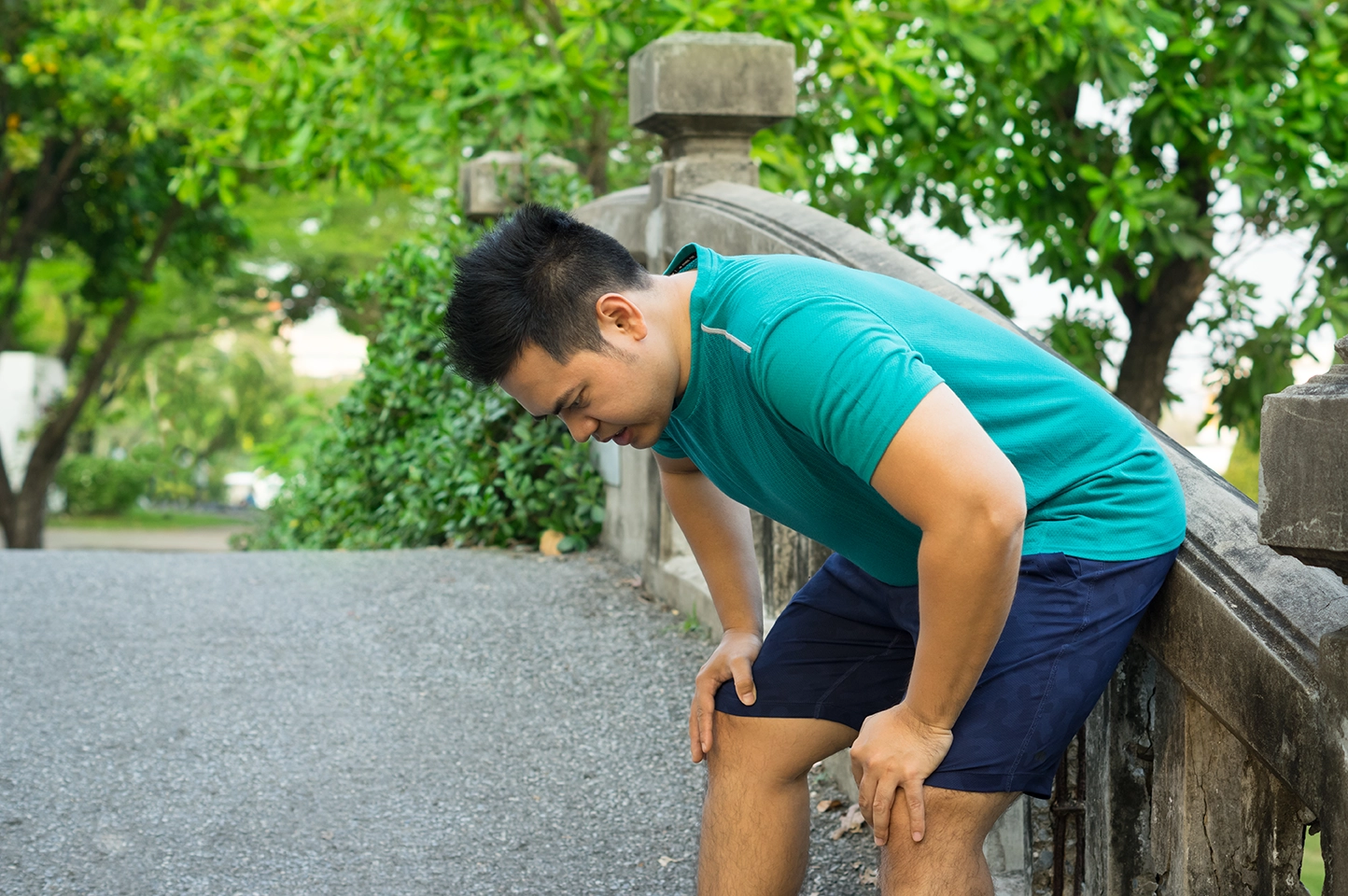
It is perfectly normal to run out of breath during exercise. Whether you are pushing through a run, climbing stairs or lifting weights, your body naturally demands more oxygen when under strain, causing your heart to beat faster and your breathing to grow heavier. After a short break to catch their breath, most people are able to recover and continue their workout routine.
However, it can become concerning when this breathlessness seems disproportionate to your level of activity. It may happen every time you exert yourself, or take an unusually long time to settle down. For some people, symptoms are persistent or gradually worsen over time. Eventually, one might begin to suspect that an underlying heart condition is responsible.
Understanding what is considered normal and when to seek medical attention can help you stay active with greater confidence while ensuring that potential heart-related causes are not overlooked.
When Is Breathlessness During Exercise Considered Normal?
Shortness of breath (dyspnea) during exercise is a normal physiological response to your body working harder than usual. As your muscles require more oxygen, your heart and lungs respond by increasing your breathing rate and circulation to meet these demands.
In most cases, this type of breathlessness is temporary and improves quickly with rest. It is also more noticeable in individuals who are starting a new fitness routine or returning to exercise after a period of inactivity. Some normal causes are:
Low Fitness Levels
People with lower fitness levels may experience breathlessness more quickly, even during mild to moderate activity. As endurance improves over time, breathing usually becomes more controlled and efficient. As long as no accompanying symptoms are present, this temporary breathlessness is generally regarded as a normal part of improving one’s fitness.
High-Intensity Workouts
Activities such as sprinting, interval training or heavy resistance exercises place significant demands on the body. If you are knowingly engaging in a new workout routine or taking part in exercises intended to train your cardiovascular stamina, feeling out of breath during these efforts is to be expected.
Environmental Factors Like Heat and Humidity
Exercising in hot or humid conditions can make breathing feel more laboured, as your body works harder to regulate temperature. This may lead to an earlier onset of fatigue and breathlessness.
Overexertion
Breathlessness can also occur when you push beyond your usual limits, such as exercising too intensely or for longer than your body is prepared for. This can happen even in otherwise healthy individuals and typically improves with adequate rest and pacing.
While these situations are generally considered normal, breathlessness should ease shortly after stopping the activity. If it persists or worsens despite adequate rest, it may warrant further evaluation.
Warning Signs That Suggest a Heart Problem
Certain symptoms are not considered to be normal consequences of exertion. Experiencing these signs may indicate an underlying heart condition, and they should not be ignored.
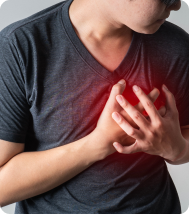
- Chest pain or tightness: Angina, commonly known as heart pain, is a feeling of pressure, squeezing or discomfort in the chest that lingers after exercise. This may suggest reduced blood flow to the heart instead of an issue with one’s breathing.
- Dizziness or fainting: Feeling lightheaded, unsteady or outright fainting during physical activity is usually a sign of insufficient oxygen. This could be caused by the heart failing to pump enough blood to meet the body’s demands.
- Palpitations: Experiencing an unusually fast or irregular heartbeat could be a sign of a heart problem, especially when it is easily triggered by exercise or accompanied by shortness of breath.
- Worsening symptoms: If breathlessness becomes more frequent, occurs with less exertion or takes longer to recover from, it may suggest a progressively worsening condition.
Common Heart Conditions That Cause Shortness of Breath
Shortness of breath during exercise can sometimes be linked to underlying types of heart disease that interfere with how effectively oxygen-rich blood is circulated throughout the body. Common examples include:
Coronary Artery Disease
Coronary artery disease occurs when the arteries supplying blood to the heart muscle become narrowed or blocked due to the build-up of fatty deposits, known as plaques. As a result, the heart muscle receives less oxygen, especially during exercise when demand is higher.
When the heart itself is deprived of oxygen, it cannot pump as efficiently, which reduces the amount of oxygenated blood delivered to the rest of the body. This imbalance can lead to symptoms such as breathlessness and chest discomfort once the body is under strain.
Heart Failure
Heart failure refers to a condition where the heart’s pumping ability is weakened or stiffened, making it less effective at circulating blood. This can result in a backlog of blood in the lungs, causing fluid to accumulate in the air spaces.
When fluid builds up in the lungs, oxygen exchange becomes less efficient, making it harder for oxygen to pass into the bloodstream. During exercise, this reduced oxygen transfer becomes more noticeable, leading to persistent or worsening breathlessness even with mild activity.
Arrhythmias
Arrhythmias are abnormalities in the heart’s rhythm, where it may beat too quickly, too slowly or irregularly. A stable and coordinated heartbeat is essential for effective blood circulation, and disruptions can reduce how efficiently blood is pumped with each beat.
When the heart rhythm is abnormal, the body may not receive a consistent supply of oxygenated blood, particularly during exertion. This can result in symptoms such as breathlessness, fatigue and palpitations, as the body struggles to keep up with increased oxygen demands.
Valvular Heart Disease
Valvular heart disease involves damage or dysfunction of one or more of the heart’s valves, which are responsible for ensuring blood flows in the correct direction. When valves become narrowed or do not close properly, blood flow can be restricted or leak backwards.
This inefficiency forces the heart to work harder to maintain adequate circulation. Over time, this added strain can reduce the overall effectiveness of blood pumping and limit oxygen delivery to the body, especially during physical activity. As a result, individuals may experience shortness of breath that worsens with exertion.
Non-Cardiac Causes You Should Not Ignore
Not all cases of breathlessness during exercise are related to the heart. In many individuals, non-cardiac conditions can affect the lungs, blood or airways, reducing the body’s ability to take in or transport oxygen efficiently. Although a cardiologist cannot directly treat these conditions, it is worth keeping them in mind as possible causes.
Asthma
Asthma is a condition where the airways become inflamed and narrowed, making it harder for air to flow in and out of the lungs. Some individuals may specifically experience symptoms during or after exercise.
Lung Conditions
Lung conditions such as chronic obstructive pulmonary disease or interstitial lung disease can impair the lungs’ ability to absorb oxygen effectively. These conditions may damage the air sacs or cause inflammation and scarring, reducing the surface area available for oxygen exchange.
Anaemia
Anaemia occurs when there is a reduced number of red blood cells or a lower level of haemoglobin, which is responsible for carrying oxygen in the blood. Even if the lungs and heart are functioning normally, the body’s tissues may not receive enough oxygen due to anaemia, thus resulting in breathlessness.
When Should You See a Doctor for Heart-Related Symptoms?
You should consider seeing a doctor if your breathlessness occurs consistently with minimal exertion, takes longer to recover from or appears to be worsening over time. One possible indicator of a heart condition is a decline in your ability to perform activities that were once manageable. These symptoms may indicate that your heart is not coping well with increased demands.
More urgent evaluation is recommended if breathlessness is accompanied by other symptoms such as chest pain, palpitations, dizziness or fainting. Early management of heart conditions is often important, and a timely diagnosis could make the difference in providing you with appropriate care. This is especially true if you are an athlete who undergoes exertion often.
If you are unsure whether your symptoms are normal, it is always safer to seek early medical advice. A proper assessment can help identify the cause, provide reassurance where appropriate and ensure that any potential heart-related issues are addressed promptly.
Resolving Heart-Related Breathlessness with Early Specialist Care
When breathlessness continues to disrupt your exercise over long spans of time, it should not be dismissed. Rather than second-guessing your symptoms, a proper cardiac evaluation provides clarity regarding your condition. Identifying whether your breathlessness is linked to heart disease, rhythm disturbances or structural issues could allow you to move forward with confidence and seek out treatment. Early intervention of heart conditions can often improve outcomes and prevent unnecessary risks, especially if you lead an active lifestyle.
At EH Heart Specialist Clinic, patients receive personalised care focused on identifying the cause of symptoms accurately and guiding the next steps with confidence. Our clinic supports active individuals who want to exercise safely and understand their cardiovascular health more clearly.
Care is led by Dr Eric Hong, our senior consultant cardiologist & internal medicine physician, who provides focused assessment and tailored advice for patients experiencing exercise-related breathlessness and other heart concerns.
If you have noticed ongoing shortness of breath during exercise, contact us today to arrange an appointment and find out more about our treatment and diagnosis approach.