






How Is Arrhythmia Diagnosed by a Heart Specialist?


Arrhythmia refers to an abnormal heart rhythm, where the heart may beat too fast, too slow or irregularly. While some types of arrhythmia are harmless, others can affect how effectively the heart pumps blood and may require medical attention. Heart specialists are often able to diagnose arrhythmia through structured and step-by-step evaluations, involving physical exams, specialised tests and long-term monitoring.
Together, these several stages of diagnostic testing allow the cardiologist to accurately identify the type of arrhythmia and determine the most appropriate management plan for you.
What Causes Arrhythmia?
Arrhythmia occurs when the electrical signals that coordinate the heartbeat do not function properly. Under normal conditions, these electrical signals influence contractions of the heart chambers, ensuring the heartbeat is regular and well-timed. When this system is disrupted, the heart may beat in an unusual pattern, affecting how efficiently blood is pumped throughout the body.
Several medical conditions are known to contribute to the development of arrhythmia:
- Coronary artery disease: Narrowed or blocked arteries can reduce blood flow to the heart muscle, damaging the electrical system and triggering irregular rhythms
- Heart attacks: Scar tissue from previous heart attacks can disrupt normal electrical pathways
- Heart failure: Changes in the structure and function of the heart, caused by heart disease, can disrupt normal electrical signalling
- Cardiomyopathy: Cardiomyopathy is when the heart muscles get thickened and enlarged, which can alter how electrical impulses are conducted
- Congenital heart conditions: Structural abnormalities present from birth may trigger later on in life, affecting the heart’s electrical system and causing symptoms to appear
Additionally, there are several non-cardiac factors that could cause arrhythmia, such as:
- Electrolyte imbalances
- Thyroid disorders
- Medication and stimulants
- Chronic conditions such as high blood pressure, diabetes and sleep apnoea
Diagnosing Arrhythmia Through Heart Screening
Heart screening plays a key role in detecting arrhythmia, especially since irregular heart rhythms may come and go and are not always possible to capture during a routine consultation. A combination of tests can be used to assess the heart’s electrical activity, structure and response to stress, allowing for a more accurate and comprehensive diagnosis.
These diagnostic methods help identify not only the presence of an arrhythmia, but also its type, frequency and underlying cause, which is essential for guiding treatment.
Electrocardiography (ECG)
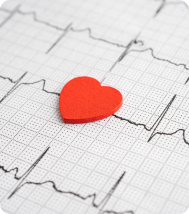
An electrocardiogram is the most common first-line test used to diagnose arrhythmia. It records the heart’s electrical activity and can detect irregular, fast or slow heart rhythms in real time.
During an ECG, the doctor or technician places small adhesive electrodes on your chest, arms and legs. These sensors are connected to a machine that records the heart’s electrical signals. You will be asked to lie still and breathe normally while the recording is taken, which usually takes only a few minutes. The doctor then analyses the tracing for irregular rhythms or abnormal patterns.
Echocardiogram
An echocardiogram uses ultrasound waves to create images of the heart. While it does not directly detect arrhythmias, it helps identify structural abnormalities, valve issues, scar tissue or weakened heart function that may contribute to irregular rhythms.
During an echocardiogram, a gel is applied to your chest and a handheld device called a transducer is moved across the skin. The doctor uses the transducer to produce ultrasound waves that create live images of the heart. You may be asked to change positions or hold your breath briefly so clearer images can be obtained. This allows the specialist to assess heart structure, valve function and pumping ability.
Cardiac Stress Testing
A cardiac stress test evaluates how the heart performs during physical exertion. It is particularly useful when arrhythmia symptoms occur during exercise, as it can trigger and record abnormal rhythms under controlled conditions.
In a stress test, the doctor monitors your heart while it is under physical exertion. You will typically walk on a treadmill or cycle on a stationary bike, while electrodes track your heart rhythm and a blood pressure cuff measures your response. The intensity is gradually increased while the doctor observes for any abnormal heart rhythms or symptoms such as chest discomfort or dizziness.
Cardiac Imaging
Advanced cardiac imaging techniques provide detailed views of the heart’s structure and blood flow. Unlike an echocardiogram, which uses ultrasound to provide real-time moving images of the heart, cardiac imaging offers more detailed, high-resolution views of the heart’s anatomy and surrounding blood vessels. This makes it particularly useful for detecting coronary artery disease, scarring or structural abnormalities that may not be fully visible on ultrasound.
Cardiac imaging tests can include CT or MRI scans, which involve lying on a scanning table while detailed images of the heart are taken. In some cases, a contrast dye may be injected into a vein to enhance visibility of blood vessels and heart structures. The doctor uses these images to identify underlying conditions that may be contributing to arrhythmia.
How Do Heart Specialists Treat Arrhythmia?
Heart specialists typically treat arrhythmia by recommending lifestyle changes for a patient, prescribing medication and carrying out cardiac rehabilitation programmes. Arrhythmia treatment is often tailored to the specific type of disorder a patient has, its severity, as well as any underlying heart or medical conditions behind it.
Lifestyle Modifications
Lifestyle changes are often the first step in managing arrhythmia, especially for mild or intermittent cases. Doctors may advise reducing caffeine and alcohol intake, quitting smoking and maintaining a healthy weight. Managing stress and ensuring adequate sleep are also important, as fatigue and anxiety can trigger irregular heart rhythms. In addition, controlling conditions such as high blood pressure, diabetes and thyroid disorders can help prevent arrhythmia from worsening.
Medications
Medications are commonly prescribed to regulate the heart’s rhythm or control the heart rate. Anti-arrhythmic drugs help restore and maintain a normal rhythm, while medications such as beta-blockers or calcium channel blockers slow the heart rate and reduce strain on the heart. In certain cases, blood-thinning medications may be recommended to reduce the risk of stroke, particularly in patients with atrial fibrillation.
Cardiac Rehabilitation
Cardiac rehabilitation is a structured, medically supervised programme designed to support heart health and recovery. It typically includes personalised exercise training, education on heart care and guidance in managing risk factors. For patients with arrhythmia, cardiac rehabilitation helps improve cardiovascular fitness, stabilise heart function and build confidence in safely returning to daily activities. The programme is closely monitored by healthcare professionals to ensure that exercise and lifestyle adjustments are appropriate for the individual’s condition.
By combining lifestyle changes, appropriate medications and structured rehabilitation, heart specialists can effectively manage arrhythmia while improving overall cardiovascular health and quality of life.
Why Is Early Diagnosis and Treatment of Arrhythmia Important?
Early diagnosis and treatment of arrhythmia are important to prevent the condition from progressing and to reduce the risk of serious complications. While some arrhythmias may be mild, others can interfere with the heart’s ability to pump blood effectively, leading to more significant health concerns if left unaddressed.
Identifying arrhythmia early allows a heart specialist to determine the underlying cause and implement appropriate management before the condition worsens. Certain types of arrhythmia, such as atrial fibrillation, can increase the risk of stroke due to the formation of blood clots. Other arrhythmias may lead to heart failure or, in rare cases, sudden cardiac arrest if the heart rhythm becomes severely abnormal.
When detected at an earlier stage, arrhythmia can often be managed effectively with lifestyle modifications, medications or minimally invasive procedures, reducing the need for more complex treatments later on.

Taking the First Steps Towards Arrhythmia Diagnosis
Diagnosing arrhythmia involves a careful and structured process that combines multiple varieties of tests. These assessments allow heart specialists to identify irregularities and further their understanding of underlying causes.
If you have experienced palpitations, dizziness, breathlessness or unexplained chest discomfort, seeking timely medical assessment can help clarify whether these symptoms are linked to a rhythm disorder. Early evaluation supports appropriate management and reduces the risk of complications, allowing you to maintain both safety and quality of life.
At EH Heart Specialist Clinic, care is centred on a personalised and patient-focused approach, ensuring that each assessment is tailored to your symptoms and health profile. Dr Eric Hong, our senior consultant cardiologist & internal medicine physician, leads the clinic with a focused approach to diagnosing and managing arrhythmia using evidence-based methods and detailed evaluation.
If you are concerned about irregular heart rhythms or related symptoms, contact us today to arrange an appointment and take a proactive step towards protecting your heart health.