




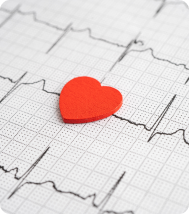
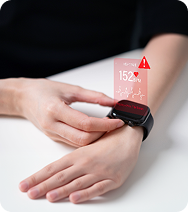






A resting ECG is usually a short test that can be completed within several minutes once the electrodes have been positioned. The recording itself only captures a brief period of the heart's activity, which is why an intermittent abnormality may not necessarily occur during the test.
What Does an ECG Show and When Might You Need Another Heart Test?

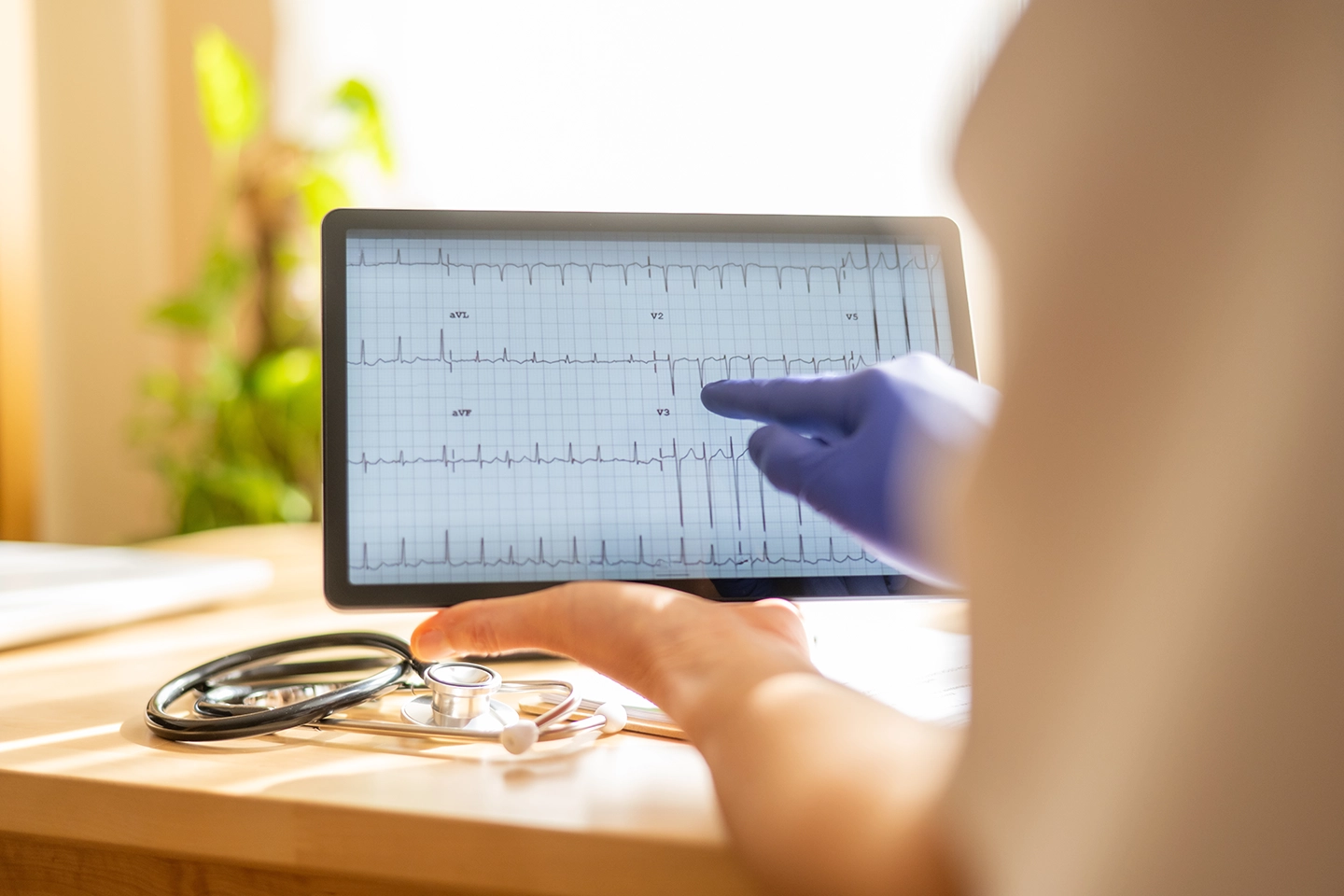
An ECG is one of the most commonly used heart tests, and it can identify several notable types of heart abnormalities. However, it cannot always rule out a problem, and some symptoms or findings require a different type of heart test before diagnosis can be made.
This is because different heart tests provide different types of information. Testing is therefore guided by what still needs to be assessed, so that each investigation has a clear clinical purpose rather than being performed unnecessarily.
What Is the Role of an ECG in Heart Screening?
An electrocardiogram (ECG or EKG) records the electrical signals produced as the heart beats, providing a tracing that shows its electrical activity at the time of the test. As a heart screening method, this can provide information about how quickly and regularly the heart is beating and how electrical impulses are travelling through it.
The test is performed by placing electrodes on the chest and limbs to detect these electrical signals. It is non-invasive and usually takes only a short time, making it useful for obtaining a snapshot of the heart's electrical activity during a cardiac health screening.
However, an ECG is only one component of heart screening. It does not directly examine every aspect of the heart, so findings from the ECG are considered alongside factors such as symptoms, cardiovascular risk, medical and family history and other clinical findings when determining whether further assessment is needed.
What Can an ECG Detect?
An ECG can identify several types of heart abnormality, particularly those involving heart rate, rhythm and electrical conduction.
Heart Rate and Rhythm Abnormalities
An ECG can show whether the heart is beating faster or slower than expected and whether the rhythm is regular or irregular. It may therefore identify rhythm abnormalities that are present while the recording is being taken. This is particularly useful when an abnormal rhythm is persistent or happens to occur during the test.
Electrical Conduction Abnormalities
An ECG can show whether electrical impulses are travelling through the heart as expected. Changes in the tracing may indicate that these signals are delayed or blocked as they pass through different parts of the heart, providing evidence of a conduction abnormality that may require further assessment.
Signs of Heart Strain or Injury
Certain ECG patterns can provide clues that the heart muscle is under strain or has been injured. These findings do not necessarily establish the underlying cause on their own, so they need to be interpreted alongside the person's symptoms, medical history and other relevant findings.
However, an ECG does not directly show the heart's valves, chambers or coronary arteries. This is one reason a separate heart test may be needed when the ECG cannot lead to a diagnosis.
When Are Other Heart Tests Recommended?
Another heart screening method may be recommended when a resting ECG cannot adequately investigate the suspected problem. The test selected is guided by what needs to be examined, such as an intermittent heart rhythm, the heart's response to exertion, its structure and function or the coronary arteries.
When a Heart Rhythm Problem Is Intermittent
A resting ECG only records the heart's electrical activity during a short period. If palpitations or a suspected rhythm abnormality occur intermittently, longer monitoring with a Holter or another ambulatory ECG device may be used to record the heart over an extended period and increase the likelihood of capturing an episode.
When Symptoms Occur During Physical Activity
Exercise stress testing may be considered when symptoms or relevant changes are more likely to appear during exertion. The test allows the heart's response to increasing physical workload to be assessed rather than examining it only at rest.
When Heart Structure or Function Needs to Be Examined
An echocardiogram uses ultrasound to examine the heart's structure and movement. It can provide information about the chambers, valves and pumping function that a standard ECG does not directly show.
When the Coronary Arteries Need to Be Assessed
When there is concern about plaque build-up or narrowing in the coronary arteries, coronary imaging such as CT coronary angiography may be considered. This allows the coronary arteries to be assessed directly rather than relying on the electrical information recorded by a resting ECG.

Taking a Targeted Approach to Heart Testing With Dr Eric Hong
An ECG result is most useful when it is considered in the context of the concern that prompted the test. If something remains unexplained, reviewing the finding with a cardiologist can help establish whether there is a clear clinical reason to investigate further.
At EH Heart Specialist Clinic, Senior Consultant Cardiologist & Internal Medicine Physician Dr Eric Hong provides cardiovascular assessment and cardiac testing based on each patient's findings. He can then review your ECG alongside your symptoms, cardiovascular risk and medical history, then determine whether other investigations can benefit you.
If you would like to understand whether further heart testing may be appropriate, book an appointment with Dr Hong to determine your next steps.
Frequently Asked Questions About ECGs and Other Heart Tests
No. An ECG is non-invasive and does not send electricity into the body. Small electrodes are attached to the skin to detect the heart's electrical activity, and these are removed once the recording is complete. Some people may experience minor discomfort when adhesive electrodes are removed.
No. An ECG records the heart's electrical activity, whereas an echocardiogram uses ultrasound to produce images of the heart. The two tests therefore assess different features of heart health and one does not automatically replace the other.
Yes. An ECG may be included as part of a heart screening assessment even when you do not have symptoms. Whether it is appropriate, and whether any other tests are indicated, can be considered alongside factors such as your age, cardiovascular risk profile, medical history and family history.