






Cardiac & Heart Screening in Singapore

MB BCh (Ireland), MRCP (United Kingdom), FAMS (Cardiology), DIP (CBNC, USA), FSCAI (SCAI, USA), FACC (ACC, USA), FESC (European Society of Cardiology, France), FRCP (Edinburgh, United Kingdom)
Heart disease is one of the leading causes of death in Singapore, where fast-paced lifestyles, high stress levels, and convenience-driven diets can take a toll on our cardiovascular health. Many people spend long hours at work or sitting, often overlooking subtle changes that may indicate an underlying heart condition.
A heart screening can be used to provide a clearer understanding of your heart health and identify potential concerns before they progress.
What Is a Heart Screening?
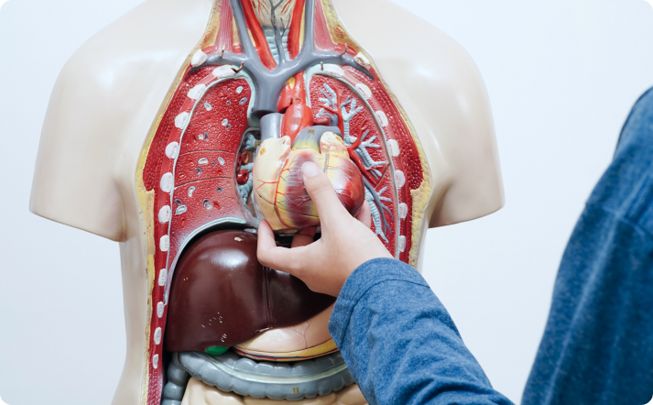
Heart screening is a preventive assessment that evaluates the health of your heart and cardiovascular system. It typically involves a combination of consultations, physical examinations and diagnostic tests to identify risk factors, detect abnormalities and assess your overall risk of developing heart disease.
Depending on your age, medical history, symptoms and cardiovascular risk profile, a heart screening programme may include tests such as blood pressure measurements, blood tests, electrocardiograms (ECG), echocardiograms, stress tests and other types of assessment.
Why Are Heart Screenings Important?
Heart disease tends to develop gradually and may not cause noticeable symptoms until it has progressed to a severe point. As a result, individuals may be unaware of underlying cardiovascular issues such as high blood pressure, coronary artery disease or heart rhythm abnormalities until they experience more serious complications.
Left undetected, these conditions can increase the risk of events such as heart attack, stroke, heart failure and other cardiovascular complications. Regular heart screening helps identify potential risk factors and abnormalities at an earlier stage, allowing timely intervention before significant damage occurs.
Early detection also provides an opportunity to make appropriate lifestyle changes, begin medical treatment where necessary and monitor existing conditions more closely. For individuals with cardiovascular risk factors or a family history of heart disease, heart screening can play an important role in protecting long-term heart health and reducing the likelihood of future complications.
Who Should Consider Heart Screening?
Heart disease is a significant health concern in Singapore, as it is one of the leading causes of death. According to the Singapore Heart Foundation, in 2024, cardiovascular disease was responsible for 30.5% of all deaths in Singapore. This translates to nearly one in three deaths in Singapore being caused by heart diseases or strokes. These numbers may sound alarming, but the good news is that many heart conditions can be detected early and managed effectively with regular screening.
Heart screening is a proactive way to understand your cardiovascular health before symptoms appear. While it’s beneficial for anyone who wants peace of mind, you should strongly consider regular heart screening if you fall into any of the following groups:
- Individuals Aged 40 and Above – As age increases, so does the risk of heart disease. Regular screenings can help catch any early signs of heart problems.
- Family History of Heart Disease – Those with a family history of heart conditions should be particularly vigilant, as genetics can play a significant role in cardiovascular health.
- Previous Heart Conditions – Individuals who have had previous heart conditions, such as heart attacks or strokes, should undergo regular screenings to monitor their heart health.
- Existing Health Conditions – People with conditions such as hypertension, diabetes or high cholesterol are at an increased risk of developing heart disease.
- Individuals with Kidney Disease – Chronic kidney disease (CKD) can raise blood pressure and promote plaque buildup in arteries, significantly increasing the risk of heart disease.
- Those with Chronic Inflammatory Diseases – Long-term inflammation from conditions like rheumatoid arthritis or lupus can damage blood vessels and promote fatty deposits, raising the risk of heart attacks.
- Lifestyle and Modifiable Risk Factors – Even without an existing medical condition, lifestyle habits can influence your heart health. Screening is especially important if you:
- Smoke or drink excessively
- Have a sedentary lifestyle
- Are overweight or obese
- Eat a high-fat or high-sodium diet
- Experience chronic stress


Types of Heart Screening Tests
Regular heart screening tests are essential for early detection and prevention of cardiovascular diseases.
- Electrocardiography (ECG or EKG) – ECG measures the electrical activity of the heart using electrodes placed on the skin. This quick and non-invasive test can detect arrhythmias, heart attacks, and other heart abnormalities.
- Echocardiography (Echo) – This non-invasive test uses ultrasound waves to create detailed images of the heart’s structure and function. It provides comprehensive information about heart size, shape, and movement.
- CT Coronary Artery Calcium Scoring – This CT scan measures calcium build-up in the coronary arteries, helping to assess the risk of coronary artery disease.
- CT Coronary Angiography – This CT scan uses a contrast dye to visualise the coronary arteries, detecting blockages and other issues.
- Coronary Angiography – An invasive procedure where a catheter is inserted into a blood vessel and guided to the coronary arteries, followed by the injection of contrast dye and X-ray imaging. It provides highly detailed images of the coronary arteries and is considered effective for detecting blockages in the heart.
- Exercise Cardiac Stress Test – This diagnostic test monitors heart rate, blood pressure, and ECG while the patient exercises on a treadmill or stationary bike. It can reveal how the heart responds to physical stress.
- 24h Ambulatory Blood Pressure Monitoring (ABP) – Utilises a portable device that measures and records blood pressure at regular intervals over 24 hours. It provides a comprehensive assessment of blood pressure variations throughout the day and night.
- Chest X-rays – Uses X-ray imaging to view the chest, lungs, and heart. It is useful in detecting lung problems that affect heart function.
- Invasive Cardiac Catheterisation (ICA) – This involves inserting a catheter into the heart through a blood vessel, often to measure pressures within the heart chambers and take blood samples. It provides detailed information about heart function and blood flow.
- Other Tests:
- Nuclear Stress Test – This test uses radioactive dye and imaging to see blood flow to the heart both at rest and under stress. It offers a detailed evaluation of blood flow.
- MRI Scan – Provides detailed images of the heart without radiation, which is useful for soft tissue evaluation.
- Blood Tests (Cholesterol and Blood Glucose) – Here, blood samples are taken to measure cholesterol levels and blood glucose which helps identify potential risk factors for heart disease.
- Body Weight and BMI – Takes weight and height measurements to calculate Body Mass Index (BMI) and assess the risk for heart diseases related to obesity.
How to Prepare for Cardiac Screening Tests
Fasting Requirements
Certain blood tests, such as cholesterol, triglyceride and glucose testing, may require fasting beforehand to ensure accurate results. Your doctor will advise you on whether fasting is necessary and how long it should be observed before your appointment.
Medications
In most cases, you should continue taking your prescribed medications as usual. However, some medications may affect specific tests, and your doctor may provide instructions if any temporary adjustments are required.
Caffeine, Alcohol and Smoking
You may be advised to avoid caffeine, alcohol and smoking before certain cardiac investigations, as these substances can affect heart rate, blood pressure and other test measurements.
Physical Activity
Strenuous exercise may influence the results of some cardiac tests. Depending on the type of assessment being performed, your doctor may recommend avoiding vigorous physical activity before your appointment.
Medical Records and Previous Test Results
If you have undergone previous cardiac investigations or are receiving treatment for a heart condition, bringing relevant medical records and test results can help your cardiologist better assess your cardiovascular health and compare any changes over time.
Find Out Which Heart Screening Tests You May Need
Not every individual requires the same heart screening tests. Dr Eric Hong can assess your needs and recommend a personalised screening programme tailored to your heart health goals.
What to Expect During Your Heart Health Screening
On the day of your screening, your cardiologist will review your medical history and discuss any symptoms you may have noticed. Depending on the tests involved, you may:
- Be asked to change into a gown for some tests.
- Have your blood pressure, heart rate, and oxygen levels checked
- Provide a blood sample
- Have electrodes placed on your chest for heart monitoring
- Perform a cardiac stress test on a treadmill or stationary bike
Understanding Your Heart Screening Results
Once your results are ready, your doctor will review them with you and explain what they mean in the context of your overall cardiovascular health. Depending on the tests performed, you may be advised to carry out lifestyle changes, medication, or further testing if needed.
What Can Heart Screening Results Reveal?
Heart screening results can help identify risk factors and abnormalities that may increase the likelihood of developing cardiovascular disease. These may include conditions such as high blood pressure, elevated cholesterol levels, heart rhythm abnormalities or structural heart issues. In some cases, screening may also detect early signs of heart disease before symptoms develop.
What Happens If an Abnormality Is Found?
Based on your results, your doctor will discuss the most appropriate next steps. This may involve lifestyle modifications, preventive measures, medication or further investigations where necessary. For individuals diagnosed with a cardiovascular condition, your doctor may recommend that you begin early treatment, so that they can manage the condition more effectively and reduce the risk of future complications.
The Right Time to Visit a Heart Screening Doctor
If you have ongoing heart conditions or a strong family history, regular follow-ups with a cardiologist help ensure your heart health stays on track. Even in the absence of symptoms, regular screening can help provide a clearer understanding of your cardiovascular health and identify potential concerns that may require further evaluation.
If you are unsure whether heart screening is appropriate for you, consulting a cardiologist can help you better understand your risk profile and determine the most suitable screening approach.
At EH Heart Specialist Clinic, care is performed by Senior Consultant Cardiologist & Internal Medicine Physician Dr Eric Hong. He takes a personalised approach to heart screening, carefully assessing each patient's medical history, cardiovascular risk factors and health concerns before recommending the most appropriate tests and next steps for their long-term heart health.
Contact us today to find out whether heart screening is right for you.
Frequently Asked Questions
Heart screening helps detect problems early, even before symptoms appear. Identifying risks such as high blood pressure or cholesterol allows for timely management and reduces the chance of a heart attack or stroke.
Some heart screenings may be recommended to begin as early as age 20; while others may come later. However, if you have a family history of heart disease and other risk factors, your doctor may suggest a customised screening regimen for you.
A typical heart screening can take anywhere from 30 minutes to a few hours, depending on the number and type of tests performed.
To lower your risk, maintain a healthy diet, engage in regular physical activity, avoid smoking, and limit alcohol consumption. Regular check-ups and managing conditions such as diabetes and hypertension are key.
Many heart screening packages are MediSave or insurance claimable, depending on the tests included, your medical needs and your insurance policy. It is best to check with your doctor and insurer for detailed coverage information.
The cost of heart screening in Singapore varies widely depending on the tests performed and the healthcare facility where it is performed. Please contact us for detailed pricing information.
Most heart screening tests are safe and well-tolerated. The majority of assessments, such as blood pressure measurements, blood tests, electrocardiograms (ECG) and echocardiograms, are non-invasive and carry minimal risk. Depending on the specific tests performed, some individuals may experience temporary discomfort, such as mild bruising from a blood draw or fatigue after a stress test.
Heart screening and heart check-ups are often used interchangeably, as both involve assessing your cardiovascular health and identifying potential risk factors or heart conditions.
Not all heart screening tests require fasting. However, certain investigations, such as cholesterol, triglyceride and blood glucose testing, may require you to avoid food and beverages other than water for a period before the test. If fasting is necessary, your doctor will provide specific instructions based on the tests included in your screening programme.

Meet Our Heart Screening Specialist in Singapore
Senior Consultant Cardiologist & Internal Medicine Physician
MB BCh (Ireland), MRCP (United Kingdom), FAMS (Cardiology), DIP (CBNC, USA), FSCAI (SCAI, USA), FACC (ACC, USA), FESC (European Society of Cardiology, France), FRCP (Edinburgh, United Kingdom)
Dr Eric Hong Cho Tek is a Singapore-based cardiologist with extensive training in both interventional and imaging-based cardiac care. He completed two ACGME (Accreditation Council for Graduate Medical Education, USA) clinical fellowships in Interventional Cardiology and Non-Invasive Cardiac Imaging. His clinical expertise covers cardiac CT angiography, PET/SPECT imaging and nuclear cardiology, enabling him to offer well-rounded assessments and treatment options. Dr Hong’s areas of interest include interventional cardiology (femoral and radial access), sports cardiology, cardiac rehabilitation and advanced cardiac imaging.
Our Insurance Partners
To keep our services accessible and convenient to our patients, we accept most major insurances
and can assist with the claims process.
We encourage you to call our clinic so we can review your coverage and assist you accordingly.