


What Nuclear Cardiology Means for Modern Cardiac Care

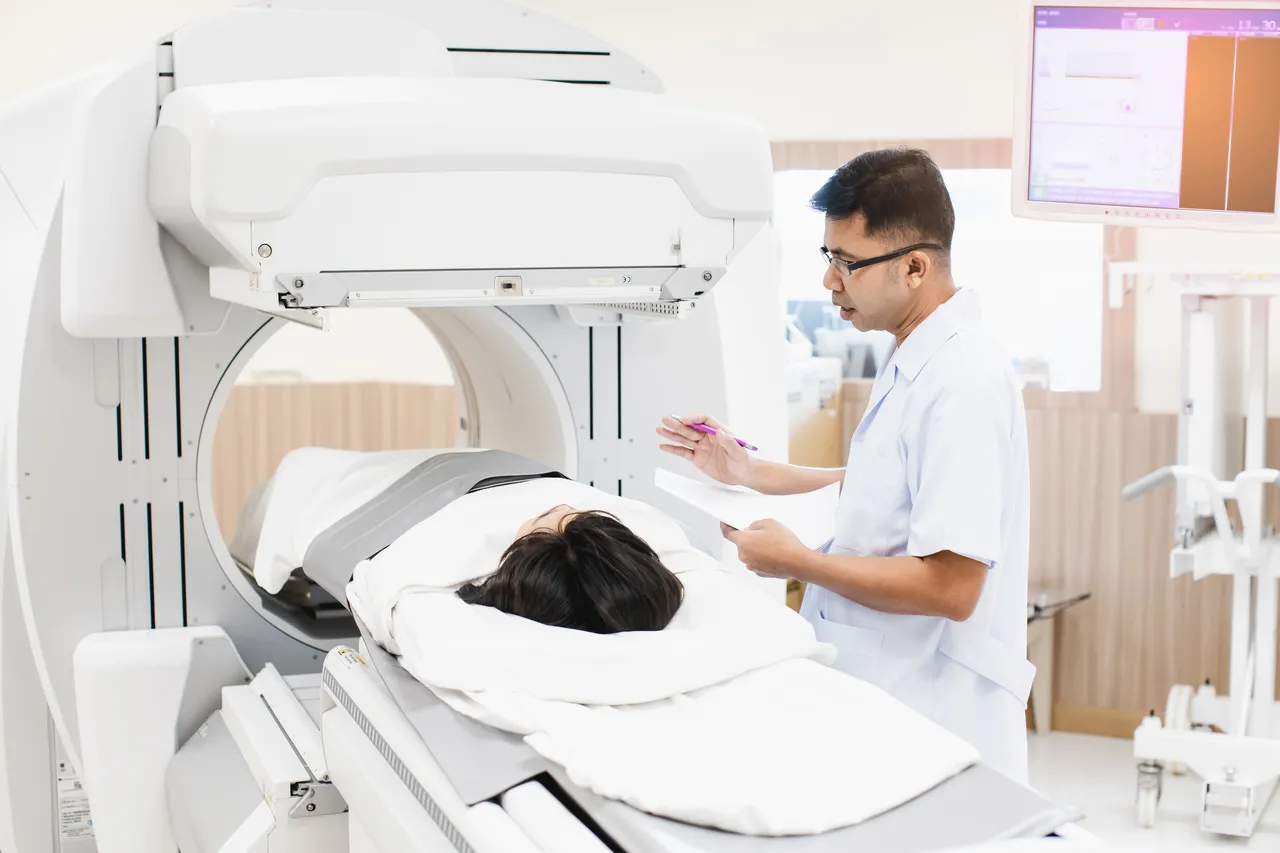
Heart disease continues to be a major health concern worldwide, impacting millions each year. This is where nuclear cardiology plays a crucial role. It offers a detailed view of how the heart is functioning and helps doctors diagnose and manage heart conditions with far greater accuracy. By detecting reduced blood flow or tissue damage often before any noticeable symptoms arise, doctors are able to make timely, informed decisions about treatment. This level of precision makes nuclear cardiology essential for accurate diagnosis, personalised care, and long-term heart health.
Ever wondered how doctors can identify heart problems before you even feel them? Keep reading to learn how these advanced tests work and what they can reveal about your heart’s health.
Understanding Nuclear Cardiology
Nuclear cardiology involves advanced, non-invasive imaging techniques to evaluate the heart’s function. During the test, a small amount of radioactive material, called a tracer, is introduced into the bloodstream. This tracer emits gamma rays, which a specialised camera captures to produce detailed images of blood flow through the coronary arteries and the performance of the heart muscle.
Unlike standard scans that focus only on structure, nuclear cardiology reveals both anatomy and function. It helps determine if the heart is receiving enough oxygen, detects damage from prior heart attacks, and measures how efficiently the heart pumps blood. These insights guide cardiologists in making precise decisions, from prescribing medication to recommending procedures such as angioplasty or bypass surgery.
What Are the Types of Nuclear Cardiology Tests?
Several nuclear cardiology tests can be performed, often as part of a stress assessment. The choice of test depends on your condition and how your heart responds under stress.
Myocardial Perfusion Imaging
Myocardial perfusion imaging evaluates blood flow to the heart muscle during rest and stress. The test involves injecting a tracer into the bloodstream and capturing images at two stages—when the heart is at rest and when it is under physical or pharmacological stress. Comparing the two sets of images helps identify areas with reduced blood flow, indicating possible artery narrowing or blockages.
Positron Emission Tomography (PET) Scan
A PET scan provides detailed images of the heart’s metabolic activity and blood flow. It can identify areas of viable but under-perfused heart muscle, which is crucial for planning revascularisation procedures. PET scans often offer clearer resolution and shorter imaging times than other nuclear techniques, allowing for precise evaluation of myocardial viability.
Multi-Gated Acquisition (MUGA) Scan
A MUGA scan measures how effectively the heart pumps blood with each beat. By tracking a radioactive tracer attached to red blood cells, this test accurately calculates the ejection fraction—the percentage of blood pumped out of the ventricles during each heartbeat. It is often used to monitor patients undergoing chemotherapy or those with heart failure to assess cardiac function over time.
Single Photon Emission Computed Tomography (SPECT)
SPECT imaging uses gamma cameras that rotate around the patient to create 3D images of the heart. It is one of the most common forms of nuclear cardiac imaging and is often used in stress testing. This technique allows doctors to pinpoint areas of the heart muscle that are receiving insufficient blood flow or have been affected by a previous heart attack, providing crucial information for accurate diagnosis and treatment planning.
Hybrid Imaging (SPECT/CT or PET/CT)
Hybrid imaging combines functional and structural information in a single study. Merging nuclear imaging with CT scans enables doctors to precisely pinpoint the location and severity of blockages or damaged heart tissue, thereby enhancing diagnostic accuracy and treatment planning.
What Conditions Can Nuclear Cardiology Diagnose?
Nuclear cardiology tests help determine whether symptoms such as chest pain, breathlessness, or fatigue are related to heart disease. These imaging studies are used not only to diagnose specific heart conditions but also to assess heart function and guide treatment decisions before and after cardiac procedures such as angioplasty, stenting or bypass surgery.
Nuclear cardiology can help identify several heart conditions, including:
- Coronary Artery Disease (CAD): Areas with reduced tracer uptake may indicate narrowed or blocked coronary arteries.
- Heart Muscle Damage: Scar tissue from previous heart attacks can be detected by assessing areas with permanently reduced blood flow.
- Heart Failure: Imaging can evaluate how well the heart pumps blood and detect weakened areas of the muscle.
- Viable but Under-Perfused Tissue: PET scans can reveal heart tissue that may recover function after restoring the blood supply.
Benefits of Nuclear Cardiology
By combining anatomical and physiological insights, nuclear cardiology plays an important role in preventing major cardiac events and supporting long-term heart health. The procedure offers several clinical advantages for patients and physicians alike, including:
- Early Detection: Reduced blood flow can be identified before symptoms appear, enabling timely intervention.
- Comprehensive Evaluation: Both perfusion and pumping efficiency are assessed, giving a complete picture of cardiac performance.
- Personalised Treatment Planning: Results guide doctors in choosing the most suitable approach, whether lifestyle adjustments, medication, or procedures.
- Progress Monitoring: Regular imaging tracks treatment effectiveness and detects any decline in heart function over time.
- Safe and Non-Invasive: The procedure is generally comfortable, does not require incisions and uses only minimal radiation exposure, making it safe for repeated assessments when necessary.
Get Clear Insights Into Your Heart Health From Dr Eric Hong
Nuclear cardiology works hand in hand with other cardiac imaging services to provide detailed insight into how the heart functions by assessing blood flow, heart muscle health, and pumping efficiency. These advanced imaging techniques allow doctors to detect heart disease earlier, evaluate its severity, and tailor treatment to each individual. Used for diagnosis, treatment planning, and long-term monitoring, nuclear cardiology supports timely, informed decision making that can reduce the risk of major cardiac events and help protect heart health over time.
At EH Heart Specialist Clinic, we offer nuclear cardiology as part of our advanced imaging services, providing detailed functional insight into how the heart performs under stress and at rest. Our senior consultant cardiologist, Dr Eric Hong, is a diplomate of the Certification Board of Nuclear Cardiology in the USA, reflecting recognised expertise in the use of nuclear imaging for accurate diagnosis and risk assessment. If you are experiencing symptoms or have concerns about your heart, schedule a consultation with us for personalised guidance and a comprehensive assessment. Understanding your heart’s function today can make all the difference for its health tomorrow.
Meet Our Cardiologist in Singapore
Dr Eric Hong
MB BCh (Ireland), MRCP (United Kingdom) FAMS (Cardiology), DIP (CBNC, USA) FSCAI (SCAI, USA), FACC (ACC, USA) FESC (European Society of Cardiology, France) FRCP (Edinburgh, United Kingdom)


Dr Eric Hong is a dedicated cardiologist in Singapore with over 20 years of experience caring for heart patients.
He is one of few cardiologists in Singapore who subspecialises in interventional cardiology, nuclear cardiology, and multi-modal cardiac imaging. Committed to achieving the best possible outcomes for his patients, heart specialist Dr Eric Hong brings diverse experience from Ireland and the United States, and is double fellowship-trained in the USA.