


Cardiac Arrest vs Heart Attack: Are They the Same?

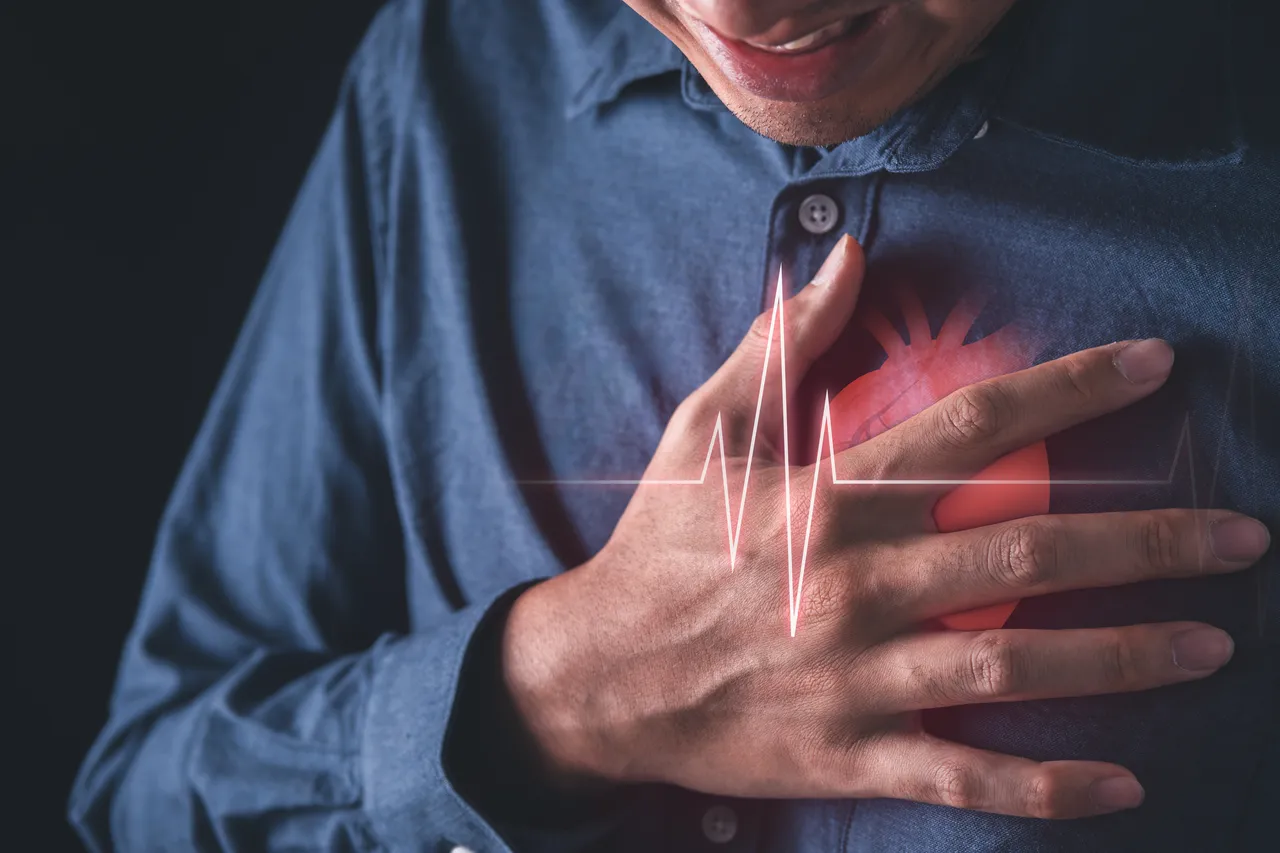
Have you ever felt a sudden, tight pain in your chest and wondered what it could mean? Or perhaps you’ve heard terms like “heart attack” and “cardiac arrest” thrown around in news reports or conversations, and you’re unsure whether they refer to the same thing. These situations can be alarming, and knowing the difference could make all the difference in an emergency. Keep reading to understand how a heart attack and a cardiac arrest differ, the warning signs to watch for, and what actions you can take when every second counts.
What Is Cardiac Arrest?
Cardiac arrest occurs when the heart suddenly stops functioning, along with breathing and consciousness. It happens when the heart’s electrical system malfunctions, leading to an irregular rhythm or a complete halt in heartbeat. This sudden interruption prevents blood from reaching the brain, lungs, and other vital organs.
The condition can happen without warning, often resulting in collapse. Some people, however, may notice early signs before a cardiac arrest occurs, such as:
- Unexplained weakness or fatigue
- Sudden dizziness or light-headedness
- Shortness of breath
- Nausea
- Discomfort or pain in the chest
- A fast, fluttering or pounding heartbeat (palpitations)
What Causes Cardiac Arrest?
Cardiac arrest can be triggered by anything that disrupts the heart’s electrical signals or pumping ability. Common causes include:
- Arrhythmia and Ventricular Fibrillation: The most common cause of cardiac arrest is an abnormal heart rhythm (arrhythmia). Its most severe type, called ventricular fibrillation, causes the heart's lower chambers to quiver uncontrollably instead of pumping blood effectively.
- Enlarged Heart (Cardiomyopathy): Thickened or rigid heart muscles can reduce pumping efficiency and increase the likelihood of dangerous arrhythmias.
- Coronary Artery Disease: Blocked or narrowed arteries reduce blood flow and may provoke a cardiac arrest.
Beyond these main causes, several other factors may also increase the risk of cardiac arrest, including:
- Blood Loss: A significant drop in blood volume can compromise heart function.
- Valvular Heart Disease: Damaged heart valves can strain the heart and disrupt its electrical stability.
- Lack of Oxygen: Severe respiratory failure or drowning can deprive the heart of oxygen.
- High Levels of Potassium and Magnesium: High or low levels of potassium and magnesium can interfere with the heart’s electrical signals.
How Is Cardiac Arrest Treated?
Quick and decisive action can significantly improve survival during a cardiac arrest. The steps below outline what bystanders should do while waiting for emergency medical help to arrive.
- Call 995 immediately and stay on the line: Emergency operators can guide you through what to do while help is on the way.
- Check that it is safe to approach the person: Look out for dangers such as traffic, electrical hazards, or unstable surroundings.
- Check for responsiveness and breathing: Tap the person firmly on the shoulders and ask loudly if they are OK. If they do not respond and are not breathing normally, or are only gasping for air, treat this as a cardiac arrest.
- Send someone to get an AED: Ask a nearby person to bring an automated external defibrillator (AED) immediately. If you are alone, continue with the steps below until help arrives.
- Lay the person flat on a hard surface if possible: Gently position them on their back on the ground to allow effective chest compressions.
- Start cardiopulmonary resuscitation (CPR) immediately: Place your hands in the centre of the chest and push hard and fast at a rate of 100 to 120 compressions per minute. Allow the chest to fully rise between compressions.
- Use the AED as soon as it becomes available: Turn it on and follow the voice prompts. The device will assess the heart rhythm and deliver a shock only if needed.
- Continue life-saving care: Continue CPR and follow AED instructions until the person shows signs of life or emergency responders take over.
Once medical teams take over, advanced treatment may include defibrillation, medications, and life support. After recovery, ongoing care focuses on preventing future episodes through medications, implantable devices such as pacemakers or defibrillators, and procedures to correct underlying heart conditions.
What Is a Heart Attack?
A heart attack, medically known as a myocardial infarction, occurs when blood flow to a section of the heart is suddenly blocked. This blockage is usually caused by fatty deposits, or plaque, in the coronary arteries. Without oxygen-rich blood, the affected heart muscle can become damaged or die if not treated promptly. Unlike cardiac arrest, the heart usually continues to beat during a heart attack.
- Chest pain or discomfort that may feel like pressure, squeezing or fullness
- Pain that spreads to the shoulders, neck, jaw, arms or back
- Shortness of breath
- Cold sweats
- Nausea or vomiting
- Light-headedness or sudden dizziness
While chest pain is a common symptom, some heart attacks present with milder or atypical signs, particularly in women and older adults.
What Causes a Heart Attack?
Several key factors and mechanisms can lead to a heart attack, including:
- Coronary Artery Plaque Buildup (Atherosclerosis): Plaques in the coronary arteries can rupture and form clots, blocking blood flow to the heart muscle.
- Coronary Artery Spasm: A temporary tightening of the coronary artery can reduce or completely stop blood flow. Triggers often include stress, smoking or stimulant drug use, such as cocaine.
- Spontaneous Coronary Artery Dissection (SCAD): This rare condition involves a tear in the artery wall, restricting blood flow. SCAD is more common in younger women, particularly during or after pregnancy.
- Congenital Coronary Artery Abnormalities: Some people are born with arteries positioned or shaped abnormally, which can affect blood flow and increase heart attack risk.
- Stress-Induced Heart Muscle Weakening (Takotsubo Cardiomyopathy): Extreme emotional or physical stress can temporarily weaken the heart muscle, leading to symptoms that resemble a heart attack. This is sometimes called “broken heart syndrome.”
- Other Contributing Factors: Blood clots, severe electrolyte imbalances (like potassium or magnesium abnormalities) and rare clotting or vascular disorders can also impair blood flow to the heart and trigger a heart attack.
How Is a Heart Attack Treated?
Prompt treatment is crucial to restore blood flow to the heart and limit damage. In the early stages, emergency care often begins with medications that reduce clot formation and improve blood flow. These treatments aim to stabilise the person and minimise injury to the heart muscle while further care is arranged.
Once the patient reaches a hospital, doctors may perform procedures like angioplasty and stent placement to reopen blocked arteries, and in more severe cases, coronary artery bypass surgery may be needed to create a new route for blood flow.
Following the immediate emergency, long-term management focuses on protecting heart health and preventing recurrence. This can involve lifestyle changes, ongoing medications such as beta-blockers or ACE inhibitors, and cardiac rehabilitation programs designed to strengthen the heart and reduce the risk of future heart attacks.
Protect Your Heart Health With EH Heart Specialist
While both are medical emergencies that can be life-threatening, heart attacks and cardiac arrests differ in how they occur and how they affect the body. A heart attack happens when blood flow to part of the heart is blocked, damaging the heart muscle while the heart continues to beat. Cardiac arrest occurs when an electrical malfunction causes the heart to stop beating suddenly, leading to immediate loss of consciousness and breathing. While a heart attack can sometimes trigger cardiac arrest, each condition requires a different and urgent response. Because both are closely linked to underlying heart disease and shared risk factors, early assessment and preventive care are essential.
At EH Heart Specialist Clinic, we provide comprehensive cardiac assessments and personalised preventive care focused on identifying risk factors and detecting heart disease early. Our practice is led by Dr Eric Hong, an experienced cardiologist subspecialising in interventional cardiology, nuclear cardiology, and multi-modal cardiac imaging, enabling thorough evaluation and precise risk assessment for conditions that can lead to heart attacks or cardiac arrest. Schedule a heart evaluation with us today and take a proactive step towards protecting your heart health.
Meet Our Cardiologist in Singapore
Dr Eric Hong
MB BCh (Ireland), MRCP (United Kingdom) FAMS (Cardiology), DIP (CBNC, USA) FSCAI (SCAI, USA), FACC (ACC, USA) FESC (European Society of Cardiology, France) FRCP (Edinburgh, United Kingdom)


Dr Eric Hong is a dedicated cardiologist in Singapore with over 20 years of experience caring for heart patients.
He is one of few cardiologists in Singapore who subspecialises in interventional cardiology, nuclear cardiology, and multi-modal cardiac imaging. Committed to achieving the best possible outcomes for his patients, heart specialist Dr Eric Hong brings diverse experience from Ireland and the United States, and is double fellowship-trained in the USA.